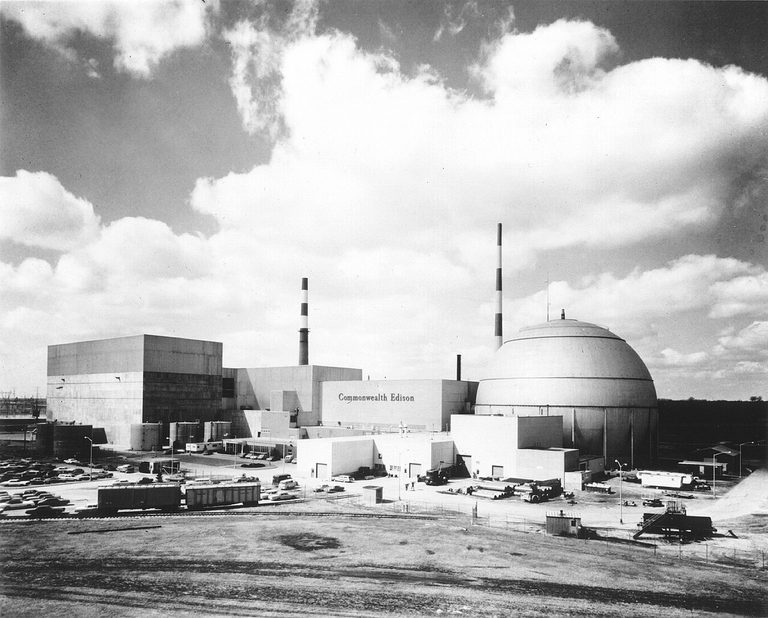
Illinois is the leading producer of nuclear electricity in the United States, with most of the state’s electricity coming from nuclear power plants. In fact, during low-demand periods such as nights and weekends, nuclear power plants in the area generate 100% of the state’s electricity. This is due in part to the fact that nuclear power is a zero-emission source of energy, producing about 80% of the state’s clean electricity.
Local History of Nuclear Power
The first entirely commercial U.S. nuclear plant, Dresden-1, was located in Illinois, about 35 miles south of Naperville. Built in 1960, it was the follow-on to a series of successful experiments at Argonne National Laboratory. In the early 1970s, two reactors were built on the Mississippi at Quad Cities and two more at Zion. Today, these reactors are owned and operated by Constellation Energy (CEG), which runs them at nearly 100% capacity, except for brief refueling shutdowns every 18 or 24 months.
Despite the benefits of nuclear power, policymakers have often ignored common sense and shut down reliable generators before having replacement sources in place. This has led to an emerging electricity supply crunch, higher prices, and a significant increase in CEG’s stock price. However, recent policy shifts at the federal and state levels have begun to recognize the economic and environmental benefits of commercial nuclear reactors.
Argonne National Laboratory is hosting an Open House on June 27, which will provide an opportunity for the community to learn more about nuclear power and its role in the state’s energy landscape. The event is open to the public, but registration is required at www.anl.gov/event/open-house-2026.
Original reporting: Positively Naperville (Aurora area) — read the source article.