There is a moment — and if you visit the Arizona-Sonora Desert Museum, you will find it — when a broad-tailed hummingbird hovers exactly at eye level, three inches from your face, studying you with the same curiosity you are directing at it. The desert has a way of surprising people who expect it to be empty. This museum, tucked into the western edge of Tucson in the shadow of the Tucson Mountains, has been making that point beautifully since 1952.
Let’s get the name out of the way first, because it trips people up. This is not a dusty building full of dioramas. The Arizona-Sonora Desert Museum is an outdoor living museum — part zoo, part botanical garden, part natural history exhibit — spread across 98 acres of authentic Sonoran Desert terrain. You walk the same gravelly soil, breathe the same creosote-scented air, and squint into the same blazing sun as the animals and plants that call this landscape home. The experience is entirely different from anything you’ll find in a conventional zoo, and most visitors walk away a little stunned by how engaged they felt.
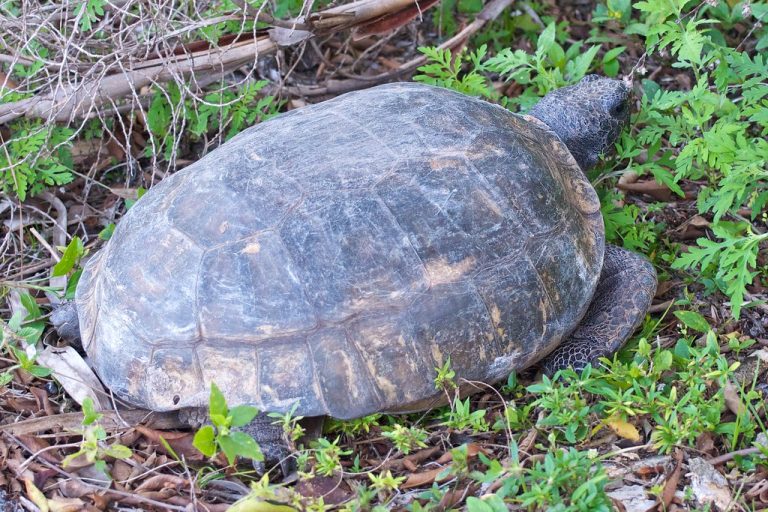
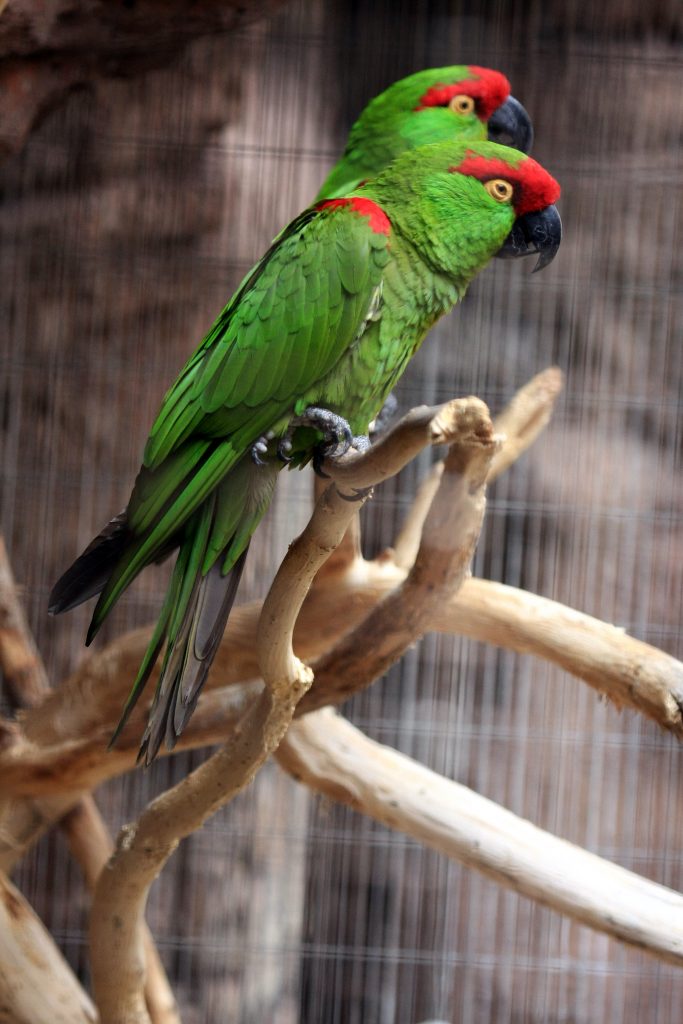
The wildlife here represents the full breadth of the Sonoran Desert ecosystem. Mountain lions pace through a naturalistic habitat that gives them real room to move. River otters tumble through an underwater viewing tank that regularly draws gasps from children and adults alike. Javelinas root around their enclosure with characteristic confidence, and bighorn sheep navigate rocky terrain that mirrors the slopes of nearby Saguaro National Park. The raptor free-flight demonstration, offered twice daily, is one of those rare experiences that feels genuinely wild — hawks and owls sweeping low over the crowd in open desert air.
The botanical side of the museum is equally impressive. Walk the Desert Grassland loop or pause at the cactus and succulent garden, where towering saguaros share space with hundreds of other species, each labeled with care. The pollinator garden buzzes with native bees, and the Earth Sciences Center offers a look underground — literally — at cave formations and mineral displays that are unexpectedly captivating.
A few practical tips that make a real difference: arrive when the gates open at 7:30 a.m. The morning light is spectacular, the animals are most active, and you’ll beat the midday heat that can make an afternoon visit genuinely uncomfortable between June and September. Bring water, wear real walking shoes, and plan for at least three hours. Admission runs around $25 for adults, which feels like a bargain by the time you’re done.
The museum sits on North Kinney Road, about 14 miles west of downtown Tucson, and the drive itself through the Sonoran Desert is worth noting — saguaro forests line the road on both sides, and on clear days the mountain views are extraordinary.
People come to Tucson for the sunshine, the food scene, and the rugged landscape. The Arizona-Sonora Desert Museum is where they come to understand what that landscape actually means — and to leave with a genuine affection for a desert they might have underestimated when they landed at the airport.