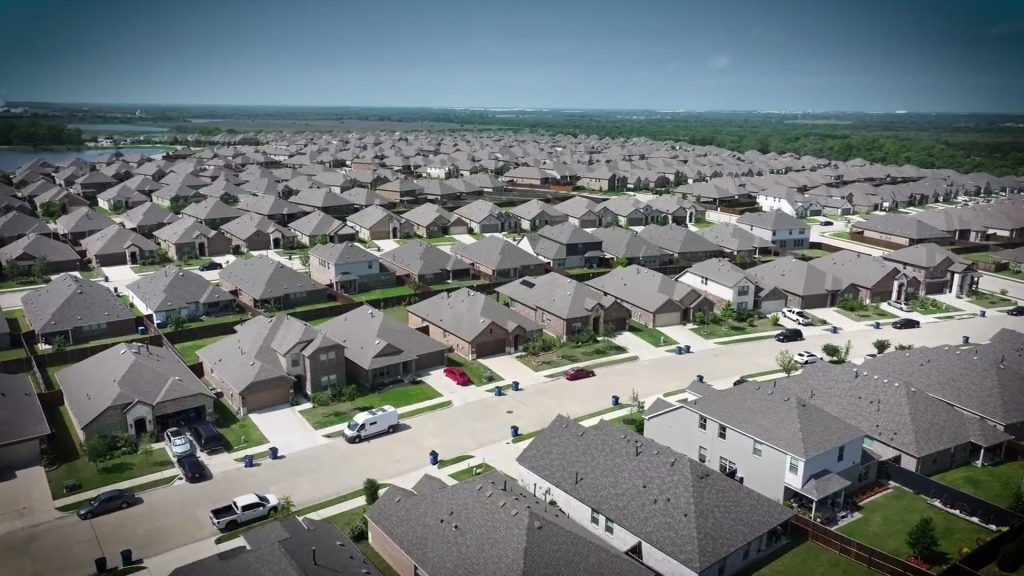
The House has passed a new version of the 21st Century Road to Housing Act and the debate it sparked is already shaping plans from Washington to Dallas; this piece looks at what the bill would change, how it tries to expand and repair housing stock, why rules for large investors became a flashpoint, and what local leaders like Bryan Tony of the Dallas Housing Coalition are saying about the practical effects.
The updated 21st Century Road to Housing Act landed in the House after months of negotiation, and supporters are calling it one of the most far-reaching housing packages in years. At its core the bill aims to tackle affordability by nudging zoning reform, directing money toward rehabilitating existing homes, and offering incentives that steer developers toward building units for low- and middle-income buyers. Those are big aims, and they reflect a rare moment when multiple policy levers are being pulled at once. The measure still needs to clear the Senate, which leaves a lot of variables hanging in the air.
One of the law’s selling points is its push for zoning changes that would allow more housing in neighborhoods currently dominated by single-family lots. Advocates argue that relaxing restrictive local rules opens space for missing middle housing and small multifamily projects that the market has starved for decades. Critics worry about density and community character, but proponents say the housing shortage has become too entrenched for modest tweaks to be dismissed. The bill tries to thread that needle by pairing reform with targeted funding and local control incentives.
The package also beefs up funding for rehabbing older homes and converting underused buildings into livable units, a practical route to add supply without new greenfield development. Rehab money tends to flow quickly to neighborhoods with existing infrastructure and can preserve affordable units that might otherwise be lost. That approach helps families who already live in those communities and keeps neighborhoods stable while adding capacity. It is a quieter solution than breaking ground on new subdivisions, but it can move faster if the dollars are in place.
Developers would see carrots aimed at building for low- and middle-income buyers, including tax incentives and grant programs to lower upfront risk. Supporters say this could encourage projects that otherwise wouldn’t pencil out in expensive markets. But the debate over incentives also exposed a deeper fight about who should own rental housing and how long institutional investors should hold it. That disagreement shaped a major compromise in the House version.
A significant point of contention was a proposed mandate forcing build-to-rent developers to sell rental homes within seven years. The House version dropped that mandate, a concession that calmed builders but unsettled advocates worried about concentrated ownership. The change shows how lawmakers tried to balance expanding supply with guarding against speculative practices, yet it leaves open questions about how to prevent rent hikes and displacement when big investors control large swaths of housing.
“Anytime there’s new legislation like this, it’s going to take a while for the development of new housing to catch up, because we’ve underbuilt homes for so long. I think we do live in a state that is looking at solving the housing crisis at the local, state level as well. So now that we have the federal government coming alongside us, hopefully we’ll see new housing get built in places that’s more convenient for families, young professionals looking to buy their first homes and even seniors who want to downsize but still own a home,” said Bryan Tony, Executive Director of the Dallas Housing Coalition.
Local developers and contractors are already feeling the uncertainty as the bill moves toward the Senate. Several firms told planners that ongoing negotiations and the possibility of shifting rules are slowing decisions on projects and hiring timelines, which could ripple through construction jobs and supply chains. Those practical slowdowns underscore a paradox: policy designed to lift barriers can create short-term hesitation that delays the very building it aims to spur. Still, many industry players expect clarity to unlock projects once lawmakers finalize the text.
Beyond legislation, real change will depend on local governments and lenders lining up policy, zoning, and capital. Federal resources can nudge activity, but permit timelines, community buy-in, and construction costs are often the real gating factors on new housing. If cities pair federal incentives with streamlined approvals and targeted community outreach, the combined effort could speed new units into the market where they’re most needed. The bill’s fate in the Senate will be decisive, but the conversation it has started is already reshaping local planning priorities and developer strategies.