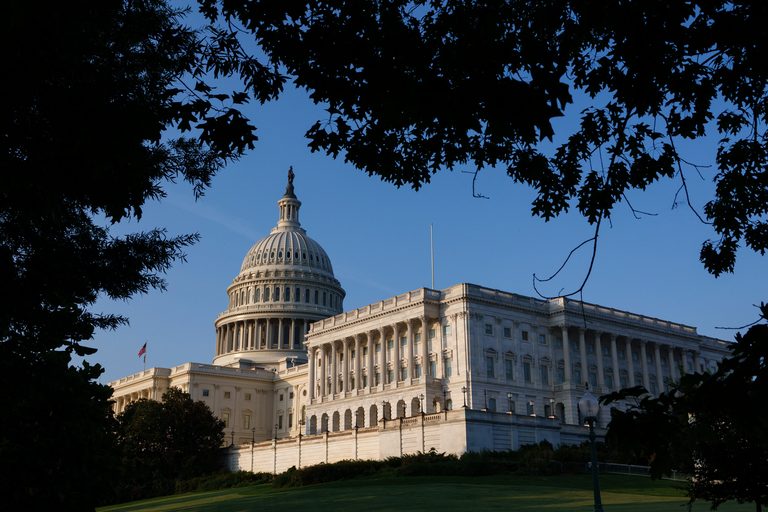
The U.S. House of Representatives has passed a bill to make daylight saving time permanent, a move that could bring an end to the biannual practice of changing clocks. The Sunshine Protection Act, which has bipartisan support and the backing of President Donald Trump, would allow states to opt out of the change if they choose to do so.
Background
Daylight saving time has been in place in nearly all of the United States since the 1960s, with the exception of Arizona and Hawaii. The practice of changing clocks has been a topic of debate, with some arguing that it has economic benefits and improves health, while others claim that it has negative impacts on health and productivity.
Supporters of the bill, including Rep. Vern Buchanan, R-Fla., who authored the measure, argue that ending the clock change is a commonsense reform that will improve everyday life for millions of Americans. They cite economic benefits such as boosted tourism and outdoor recreation, as well as improved health due to increased daylight hours.
However, not everyone is in support of the bill. Sen. Tom Cotton, R-Ark., has expressed opposition to the measure, citing concerns that it would result in absurdly late winter sunrises and force children to walk to school in the dark. Sleep experts have also weighed in, arguing that the time shift can cause sleep disturbances and other health problems.
Next Steps
The bill now moves to the Senate for a vote. If it passes, it would need to be signed into law by President Trump. Nineteen states have already passed legislation to make daylight saving time permanent, should Congress allow it.
Original reporting: NBC Connecticut — read the source article.