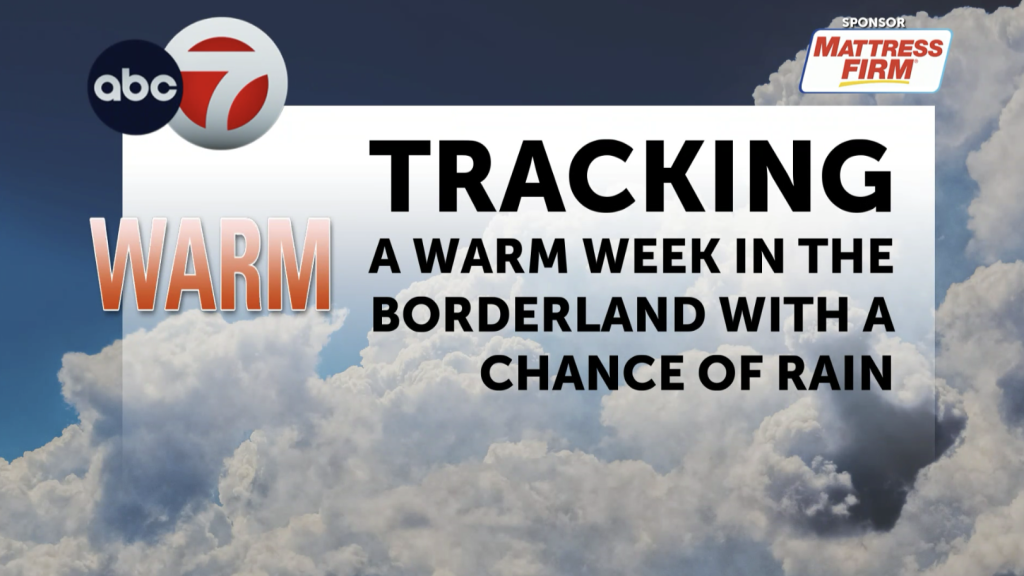
Expect a hot, dry, and windy stretch today as highs climb into the 90s and evening gusts spike near 35 miles per hour, with the storm system that’s driven these conditions shifting northeast and opening a window of calmer weather. Meteorologists are watching the system’s exit and how quickly temperatures level off once the winds ease. This report lays out what to watch, what to prepare for, and how conditions should change as the system moves away.
Today is shaping up to be another warm day with limited moisture in the air, so heat will be the obvious story for anyone heading outdoors. Highs in the 90s mean outdoor plans will feel tougher than usual; shade, hydration, and shorter exposures are sensible. The dry air also increases the risk of heat stress for pets, children, and anyone doing physical work outside.
The winds will be notable, especially later in the afternoon and into the evening, where gusts could reach up to 35 miles per hour. Those gusts can turn loose debris into hazards and make driving high-profile vehicles more demanding. Secure loose items in yards and on balconies, and be mindful of sudden crosswinds on bridges and exposed roads.
Fire danger rises when you combine hot, dry conditions with gusty winds, so outdoor burning or using equipment that can spark should be avoided until things cool and humidity returns. Even small brush fires can spread quickly in these conditions, and firefighting resources can become stretched if multiple starts happen at once. If you see smoke or signs of a fire, report it immediately to local authorities.
The driving conditions won’t be about slick roads but about wind and heat effects on vehicles and trailers, plus distracted or stressed drivers. High temperatures can impact tire pressure and vehicle cooling systems, so give your car a quick check before long trips. If you tow, consider reducing speed and increasing following distance to compensate for gusty crosswinds.
For those working outside, plan heavier tasks for the coolest part of the day and take regular breaks with water and shade available. Employers and supervisors should monitor crews and adjust schedules or provide additional breaks if heat indices climb. Keep an eye on anyone new to the heat; acclimation matters and heat illnesses can come on fast.
The system that has produced multiple days of these hot, dry, and windy conditions is forecast to push northeast, and once it clears there should be a noticeable lull in the breezes. That transition often brings a brief period of calmer weather and slightly moderated temperatures, which will feel like a real relief after several gusty, demanding days. Humidity may remain low, though, so the air won’t feel swampy even as winds relax.
Timing matters: the calm won’t arrive instantly, and some places will hang on to stronger gusts longer than others as the disturbance shifts. Check local forecasts for hour-by-hour updates if you have outdoor plans this evening. If you have events or travel planned, give yourself a buffer for sudden wind or temperature changes during the transition.
Simple preparedness goes a long way: secure loose items, keep pets indoors during peak heat and wind, and consider rescheduling nonessential outdoor tasks to the cooler windows. Neighborhoods with lots of trees should watch for falling branches in the gustier stretches. And if you need a break from the heat, libraries and cooling centers are reliable options until temperatures ease.
Keep an eye on updates from the National Weather Service or your local meteorologists for any changes to wind or fire danger messaging as the system departs. They’ll be the first to flag any unexpected flares or lingering strong winds that could alter plans. In the meantime, take basic precautions, stay hydrated, and know that a calmer spell should follow the system’s move to the northeast.