Across the United States, homeowners who once favored the sleek, monochrome look of cold minimalism are now rethinking their spaces. The pandemic highlighted the shortcomings of sterile, impersonal rooms, prompting a move toward warmth, texture and authentic craftsmanship.
From Sterile to Warm
Between 2010 and 2020, the high‑end minimalist aesthetic—characterized by white walls, low‑profile sofas and hidden storage—reigned supreme. Many buyers pursued the look for its clean lines and perceived modernity. However, living in such environments 24/7 proved less comforting than expected. As families spent more time at home, the desire for inviting, lived‑in spaces grew.
Antique Pieces as Design Anchors
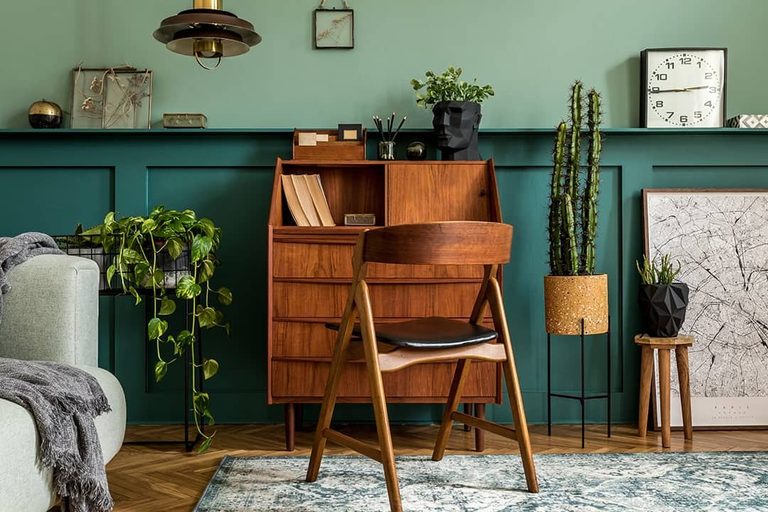
Interior designers now recommend mixing antique or vintage furniture with contemporary pieces. A 1920s mahogany chest beside a modern Scandinavian sofa adds depth and a sense of history, while also providing a durable, long‑lasting element. This “less but better” approach values quality over quantity, encouraging homeowners to invest in fewer, higher‑craftsmanship items that can endure multiple design updates over 15 to 30 years.
Data Supports the Shift
Rug Source, citing a 2025 Houzz survey, reports a surge in searches for vintage bathroom vanities, china cabinets, solid white oak, and hand‑troweled plaster. The same survey found that 35 % of renovators are willing to exceed their original budget to secure higher‑end, longer‑lasting materials rather than opting for cheaper alternatives. Consumers are prioritizing pieces with character, natural variation and historic weight over mass‑produced veneer.
Maximalism Re‑Defined
Modern maximalism differs from the cluttered interiors of the 1980s. It is an intentional, curated rebellion against the homogenizing effect of late‑2010s corporate minimalism. Homeowners are filling rooms with meaningful objects—floor‑to‑ceiling bookshelves, gallery walls, and heirloom décor—that reflect personal stories and values.
This trend also aligns with circular‑economy principles. Rather than purchasing brand‑new, perfectly matching items, many are turning to thrifting, antique sourcing and heirloom preservation. The result is a home that feels unique, lived‑in, and rooted in craftsmanship.
Implications for the Home‑Improvement Market
Design firms and retailers are adapting to the demand for high‑quality, authentic pieces. Showrooms are highlighting artisan‑made furniture, reclaimed wood, and vintage accessories. Contractors report increased client interest in durable materials that promise long‑term value, even if the upfront cost is higher.
For homeowners, the shift suggests a move away from disposable décor toward investments that can serve multiple generations. As the market continues to favor authenticity and durability, interior designers anticipate that the blend of old and new will remain a defining feature of American homes for years to come.
Original reporting: El Paso News (HLL/CB) — read the source article.