Gregg Gore, a 65‑year‑old HIV survivor from the Midwest, spent his youth fearing a one‑year death sentence after a 1982 diagnosis. He survived the early AIDS crisis, but many of his friends did not. Today he works with local HIV‑positive individuals, mentoring six people and urging them to stay on treatment and seek support.
National funding cuts threaten global progress
Since its launch in 2003, the President’s Emergency Plan for AIDS Relief (PEPFAR) has been credited with saving an estimated 26 million lives. The program relied heavily on the U.S. Agency for International Development (USAID), which provided about 60 % of its bilateral assistance in fiscal year 2023. After USAID was dissolved, 71 % of HIV‑related awards were canceled and 1,700 service sites in 46 countries were shut down.
Congress continues to fund PEPFAR, but a 90‑day freeze on all global assistance in March 2024 has left the program unfunded. In 2025 the budget was cut by 30 %, and in 2026 the State Department allocated $2.5 billion less than in 2024. More than half of the program’s funding was discontinued, leading to a 10 % drop in the number of people receiving PEPFAR‑supported treatment and a loss of 77 000 children who would have otherwise received care.
Human toll of the cuts
Gore says the reductions are “a travesty” because they leave vulnerable populations without access to life‑saving medication. In 2025, 1.2 million people worldwide tested positive for HIV and 57 000 died from AIDS‑related causes. Currently, 8.8 million people living with HIV lack treatment, most of them in sub‑Saharan Africa where the disease remains prevalent.
Representative Robert Garcia (D‑CA) called the funding cuts “horrific and inhumane,” writing that the administration’s actions have “killed hundreds of thousands of people worldwide.” He also noted a planned State Department decision to end all funding to South Africa, a nation with 7.8 million adults living with HIV in 2024.
International response and hope for new tools
Despite U.S. setbacks, the United Nations Programme on HIV/AIDS (UNAIDS) reaffirmed its commitment to ending AIDS as a public health threat by 2030. Member states adopted a political declaration aiming to mobilize $21.9 billion annually for HIV investments in low‑ and middle‑income countries.
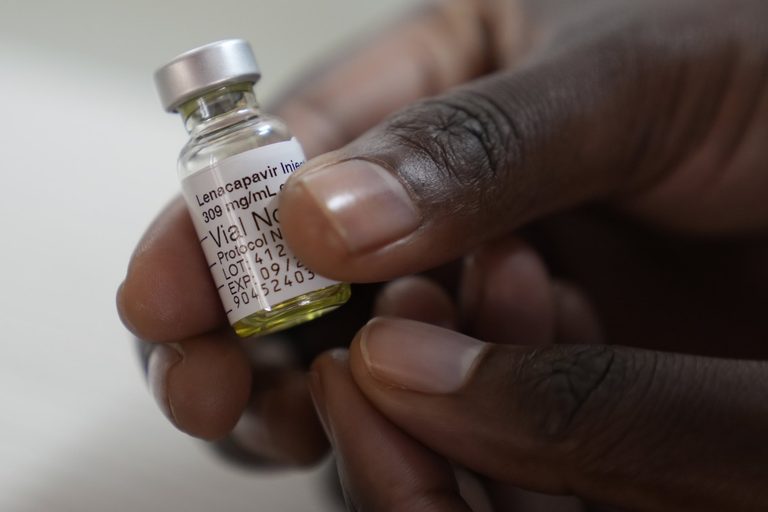
Scientific progress continues. An oral monthly HIV prevention pill, alimatravir, is in promising phase‑three trials, and Merck Sharp & Dohme (MSD) has entered voluntary licensing agreements with generic manufacturers in Africa. If successful, the pill could expand prevention options for millions.
Local advocacy amid global challenges
Back home, Gore uses his experience to combat stigma and encourage adherence to treatment. He stresses the importance of pre‑exposure prophylaxis (PrEP) and education, noting that broader access could lower infection rates.
“Information lets you live,” Gore told The Informer. He hopes that renewed congressional support and continued international collaboration will restore the lifeline that PEPFAR once provided.
Original reporting: The Washington Informer — read the source article.