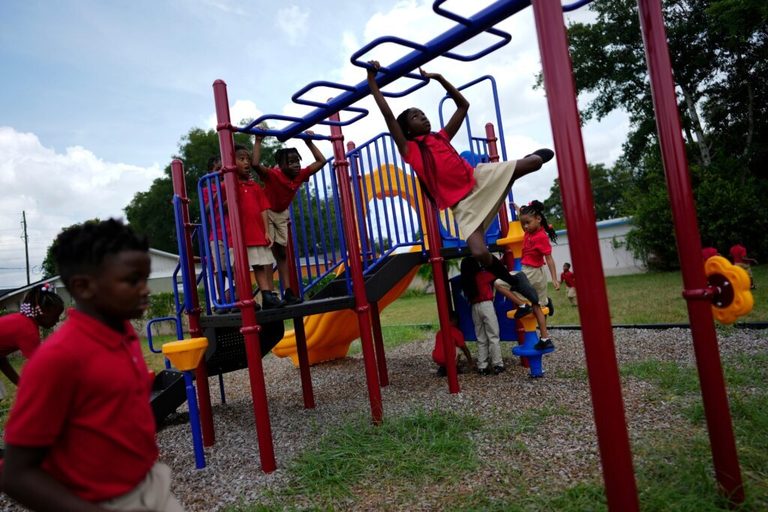
Starting at a new school can be intimidating for children of any age. Whether a five‑year‑old in southern New Jersey or a teenager in North Carolina, the first day raises questions about familiar faces, lunch seats, and recess companions.
Parental Influence Is Key
Licensed marriage and family therapist Dr. Asha Barber Sutton emphasizes that parents shape early friendship choices. “Our actions as caregivers make a difference in how children experience the world,” she said. Parents can create opportunities for connection by arranging activities such as park visits, birthday gatherings, and regular playdates. Amira Fair, mother of five‑year‑old Iman, makes a point of exchanging contact information with other parents and attending birthday functions to foster relationships.
Teaching Kids What Makes a Good Friend
Experts advise parents to help children develop a personal checklist for friendship: kindness, honesty, and the ability to be oneself. Asking questions like, “What qualities do you like in a friend?” or “Who makes you feel comfortable being yourself?” gives children a framework for evaluating relationships and handling conflict.
Encourage Shared Interests
Finding common ground through extracurricular activities can spark new connections. Sixteen‑year‑old Shia Watts discovered friends after joining a theater production at her California high school, while Jamir Gonzalez linked up with teammates on the basketball and debate squads after transferring to a New Jersey prep school. Parents can ask teens, “Do you share any hobbies with classmates?” and support involvement in clubs, sports, or arts.
Starting Conversations
Simple gestures—smiling, offering a compliment, and asking a name—can break the ice. Iman recalls meeting her first close friend after saying, “I like your shirt,” which led to a conversation and a lasting bond.
Balancing Technology
Screen time can hinder face‑to‑face interaction. Experts suggest encouraging children, especially teens, to put devices away during social moments while avoiding overly harsh restrictions that might isolate them. Open discussions about expectations for social media, gaming, and online friendships help families set healthy boundaries.
Staying Connected Across Distances
When families move, technology can maintain friendships. Video calls and messaging allow children to keep in touch with peers they left behind, reducing the sense of loss that can accompany relocation.
Impact on Well‑Being
Research from the Centers for Disease Control and Prevention shows that students who feel cared for by staff and peers are less likely to experience mental‑health challenges, substance use, or violence, and more likely to achieve better grades and attendance. Even a single strong friendship or trusted adult can provide a meaningful sense of belonging, according to Nicole Hockley of Sandy Hook Promise.
For nervous students, remembering that many peers are also seeking connection can ease anxiety. Practicing simple social skills and receiving parental encouragement can turn a new school experience into an opportunity for lasting relationships.
Original reporting: Alexandria, VA News – WTOP News — read the source article.