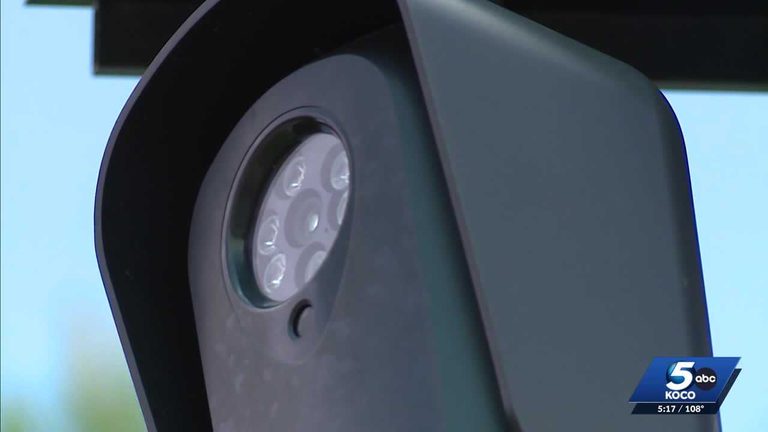
Oklahoma’s gubernatorial race has taken a turn toward technology and privacy as the two leading candidates addressed the controversial use of Flock cameras in Oklahoma City. The cameras, which automatically read license plates, number about 90 owned by the city and hundreds more operated by the state, businesses, and private citizens.
Republican candidate calls for stronger safeguards
Mike Mazzei, the Republican contender, told reporters in August that he does not support Flock cameras, video systems, or data collection “unless they have a really good guardrail.” He warned that the technology has “metastasized to a level that violates the Fourth Amendment of illegal searches and seizures.” Mazzei added, “Often, we don’t want more eyes on the people. We want more eyes on the government. This 24‑hour surveillance power is way too dangerous, and the government could unfortunately abuse that power.” He confirmed his stance remains unchanged.
Democratic candidate emphasizes local control and civil rights
Democratic candidate Cyndi Munson echoed many Oklahomans’ concerns. “I think Oklahomans fairly have a concern. I have the same concern about surveillance and data collection, what we’re doing with that information,” Munson said. She highlighted the backlash Oklahoma City faced after renewing its Flock camera contract, stressing that “local control is important. And we’ve got to protect that too.” Munson called for elected officials to respond to community worries and for state and local governments to work together to protect people’s constitutional rights and data privacy.
Recent court ruling fuels the debate
A federal court decision earlier this year revived the conversation about the legality of the cameras, prompting both candidates to clarify their positions. While the ruling did not declare the technology illegal, it raised questions about how long‑term data is stored and who can access it.
Police misuse incidents add urgency
Oklahoma City police confirmed that two officers misused the cameras in August, a fact first reported by local media. Police said no additional incidents have occurred since then, but the episode underscores the need for clear policies and oversight.
What the candidates propose
Mazzei advocates for legislation that would limit data retention, require warrants for accessing license‑plate data, and establish independent oversight to prevent abuse. Munson, while not calling for an outright ban, urges the city to renegotiate its contract with Flock Safety, add stricter audit requirements, and ensure any expansion of the system receives direct voter input.
Why the issue matters to Oklahomans
Supporters of the cameras argue they help solve crimes, locate stolen vehicles, and improve traffic safety. Critics, however, warn that constant monitoring erodes privacy and could be used to target lawful citizens. Both candidates agree that any technology must serve the public good without compromising constitutional freedoms.
Looking ahead
As the gubernatorial primary season heats up, the Flock camera controversy is likely to remain a talking point at town halls and debates. Voters will have to decide whether they prioritize the potential safety gains of automated license‑plate reading or the preservation of Fourth Amendment protections and local decision‑making authority.
Original reporting: Oklahoma City News Feed (HLL/CB) — read the source article.