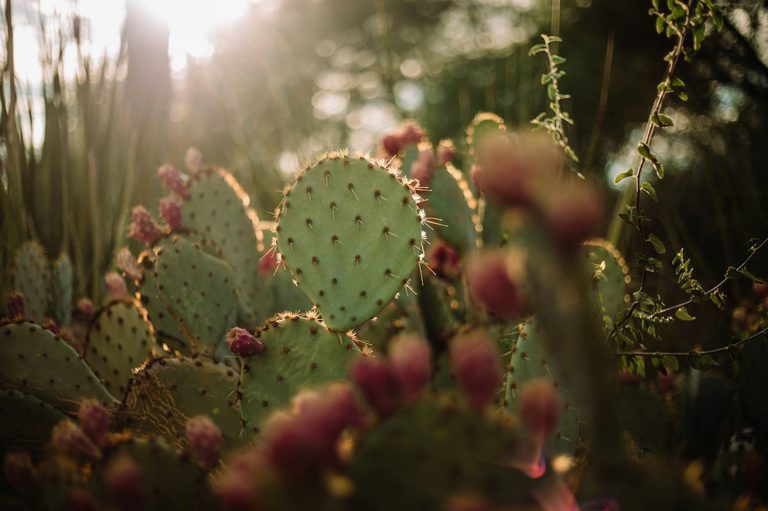
Lubbock residents can grow their own prickly pear cactus, also referred to as ‘tuna’, with ease. The term ‘tuna’ originates from Spanish colonization and the Caribbean Taino languages, and has a distinct etymology from the fish.
Prickly Pear’s Uses
Native peoples, including the Apache, Comanche, and Navajo, have traditionally consumed the flesh of the prickly pear for hydration and vitamins, either fresh, dried, or fermented. The plant also has medicinal applications, and its spines can be used as needles. Additionally, the prickly pear is a host to cochineal insects, which are used to produce natural red dyes for food and textiles.
Growing prickly pear is relatively simple. To propagate, one can cut or snap a pad from the plant, taking care to avoid the spines, and plant it in decent soil. With proper care, the prickly pear can thrive.
Eating the Tuna
To consume the prickly pear, it is essential to carefully prepare the fruit to avoid injury from the glochids, tiny spines present on the plant. The glochids can be burned off over a flame or scrubbed off vigorously. The fruit can then be peeled and eaten raw, or used to make syrups, jellies, and other products.
Original reporting: News/Talk 790 KFYO (Lubbock) — read the source article.