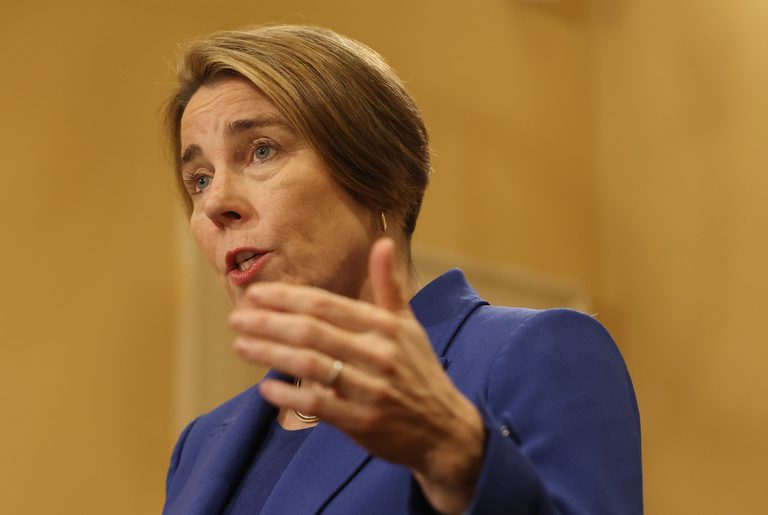
Boston, MA — Governor Maura Healey is set to unveil a series of new actions focused on postpartum care and maternal mental health during an event at Beth Israel Deaconess Medical Center on Tuesday. The governor will be accompanied by First Lady Joanna Lydgate, Health and Human Services Secretary Kiame Mahaniah, Mental Health Commissioner Emily Bailey, and Public Health Commissioner Robbie Goldstein.
Local families at the center of the announcement
During the visit, Governor Healey will meet with new parents to hear their experiences and concerns firsthand. By placing families directly in the conversation, the administration underscores its commitment to supporting traditional families and safeguarding the well‑being of mothers and infants across the Commonwealth.
Why the focus now?
The push for stronger maternal mental‑health resources follows heightened public attention after the high‑profile Lindsay Clancy trial. Prosecutors allege that Clancy murdered her three children, while her defense argued she suffered from postpartum psychosis and should not be held criminally responsible. Expert testimony raised questions about the adequacy of treatment she received and whether systemic gaps contributed to the tragedy. Although the case ended in a mistrial, it sparked a statewide dialogue about how the health‑care system addresses postpartum mental‑health challenges.
What the new actions include
While the governor’s office has not released a detailed policy brief, officials indicated the initiative will focus on three key areas:
- Expanded screening: Hospitals and birthing centers will be required to conduct standardized mental‑health screenings for all new mothers before discharge.
- Improved access to treatment: The state will increase funding for community‑based counseling services and tele‑health options, ensuring that mothers in both urban and rural areas can obtain timely care.
- Education and support: New public‑awareness campaigns will inform families about the signs of postpartum psychosis and other mental‑health conditions, encouraging early intervention.
These measures align with Governor Healey’s broader health agenda, which emphasizes preventive care, family‑centered services, and the protection of vulnerable populations.
Reactions from the community
Local health advocates have praised the announcement, noting that Massachusetts has historically lagged behind neighboring states in postpartum‑care metrics. “This is a long‑overdue step toward protecting mothers and their children,” said Dr. Elena Ramirez, director of the Boston Women’s Health Collaborative. “By integrating mental‑health screening into standard postpartum protocols, we can catch issues early and prevent tragedies like the one that shocked the state.
Some critics, however, caution that funding allocations remain unclear. The Massachusetts Taxpayers Association asked for a detailed budget breakdown, emphasizing the need for fiscal responsibility while expanding services.
Administration’s response
Governor Healey’s office responded that the initiative will be funded through a combination of reallocated health‑care dollars and targeted federal grants. Secretary Mahaniah highlighted that the plan builds on existing Medicaid provisions, ensuring that low‑income families will benefit without additional out‑of‑pocket costs.
“Our goal is to protect mothers, strengthen families, and uphold the constitutional right of every citizen to receive quality health care,” Secretary Mahaniah said. “We are confident these actions will improve outcomes for mothers and children across Massachusetts.”
Looking ahead
The announcement marks the latest effort by the Healey administration to address pressing health concerns through a faith‑and‑family lens. As the state moves forward, officials plan to monitor the impact of the new policies through quarterly reports and will adjust resources as needed to ensure the Commonwealth remains a safe and supportive environment for all families.
Original reporting: NBC10 Boston — read the source article.