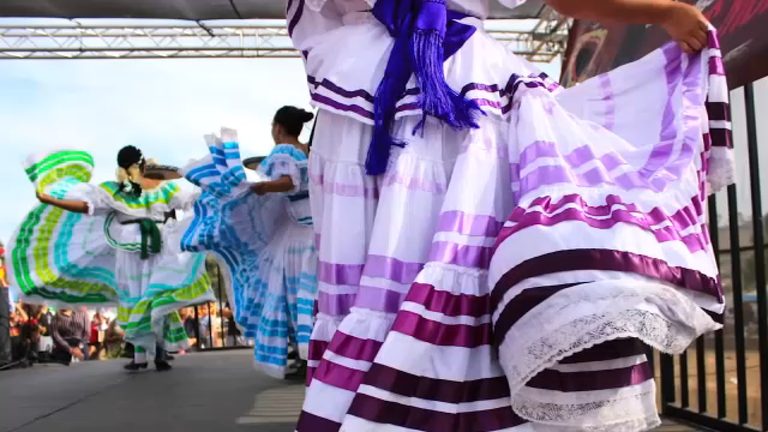
Starting today, September 15, cities and towns nationwide begin a month‑long series of events to mark National Hispanic Heritage Month. The observance runs through October 15 and offers a chance for Americans to learn about the contributions of Latino people to the nation’s fabric.
Historical roots
The celebration began as Hispanic Heritage Week, created by Mexican‑American U.S. Representative Edward R. Roybal of Los Angeles and signed into law by President Lyndon B. Johnson in 1968. Two decades later, President Ronald Reagan expanded the observance to a full month.
Why September 15?
September 15 was chosen to honor the anniversary of “El Grito de Dolores,” the 1810 call to arms that sparked Mexico’s war for independence from Spain. Several Central American nations, including El Salvador and Guatemala, also commemorate their independence in September.
Family, community, and labor
“The centrality of family, mutual aid, and community is very important to us because our parents, our grandparents, we’ve had to struggle to really make it in this country,” said Paul Ortiz, a professor of Latina/o labor history at Cornell University and former president of the United Faculty of Florida AFL‑CIO union. Ortiz noted that Latino cultural values often translate into higher union participation, helping improve wages and working conditions for many workers.
Economic influence
Latino Americans now number over 70 million, representing roughly one‑fifth of the U.S. population. Their growing consumer base has drawn increased attention from businesses and policymakers, especially during politically charged times. Historians say the month also offers an opportunity to reflect on the complex history of colonialism in Latin America.
Names and identities
The federal government originally coined the term “Hispanic” for people from Spanish‑speaking cultures. Some critics argue the label can imply political conservatism and a direct tie to Spain, while “Latino” emphasizes connections to Latin America. Both terms are used interchangeably, though many prefer “Latinx” to be gender‑inclusive.
Celebrating diversity
From Mexican‑American to Colombian‑American to Salvadoran‑American, each community brings unique traditions in food, art, and music. “The history of Latinos is U.S. history, Latino cultures are U.S. culture, Latino foods are U.S. foods, and our music is U.S. music,” said Diego Javier Luis, a historian at Johns Hopkins University. He added that the strength of these communities rests on the contributions of mothers, midwives, barbers, bodega owners, artists, and poets.
Across the country, schools, libraries, museums, and faith‑based organizations are hosting concerts, art exhibits, lectures, and family‑friendly festivals to celebrate the month. The events aim to foster mutual understanding and highlight the enduring impact of Latino Americans on the nation’s story.
Original reporting: Brookhaven News – ABC7 New York — read the source article.