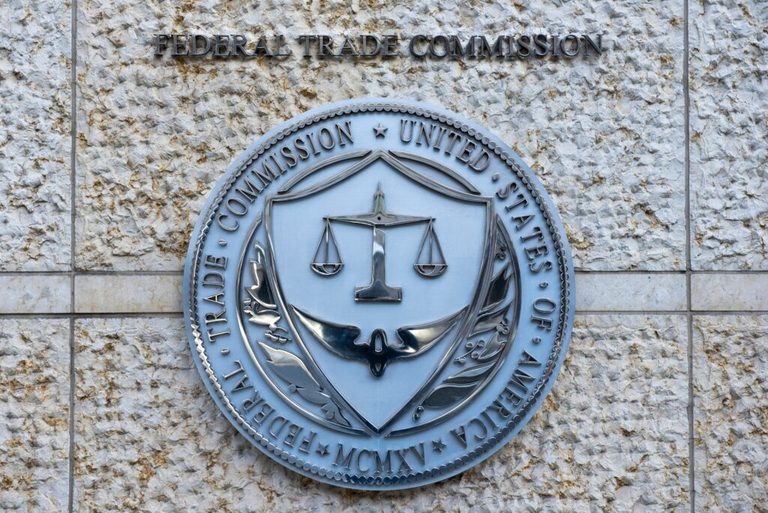
The Federal Trade Commission announced a new rulemaking proposal aimed at increasing transparency in online shopping. Under the draft policy, any retailer that adjusts prices based on a shopper’s personal information must clearly and conspicuously disclose that practice and identify the types of data used to set the price.
Why the FTC is acting
FTC Chair Andrew Ferguson said consumers expect a listed price to be the same for everyone, not an estimate of what a particular shopper might be willing to pay based on their browsing history, location, or how long items sit in a virtual cart. The agency has been monitoring personalized pricing for several years. A preliminary report filed in January 2025 documented that grocery chains, clothing retailers and other e‑commerce sites were employing third‑party firms to tailor prices for individual shoppers.
Examples of the practice
The FTC illustrated the issue with a hypothetical scenario: a shopper identified as a new parent could be shown higher‑priced baby thermometers on the first page of search results, even though the same item might appear cheaper for other shoppers.
Proposed requirements
According to the proposal, retailers that engage in personalized pricing must:
- Provide a clear, prominent notice that the price shown is personalized.
- Explain which categories of personal data (such as location, browsing history, or cart activity) influence the price.
Failure to meet these disclosure standards could be deemed a violation of the FTC Act, which prohibits unfair or deceptive practices in the marketplace.
Legal limits and next steps
Ferguson noted that the FTC does not have authority to outright ban personalized pricing in every circumstance, but the agency can enforce transparency requirements. The proposed rule is open for public comment for 30 days, after which the FTC will consider the feedback before deciding whether to finalize the regulation.
Consumer‑advocacy groups have praised the move as a step toward greater fairness, while some industry representatives argue that personalized pricing can benefit shoppers by offering lower prices to price‑sensitive customers. The debate highlights the tension between market innovation and consumer protection.
Stakeholders—including retailers, technology providers, and consumer organizations—are encouraged to submit comments through the FTC’s official portal. The agency will review the input and may issue a final rule later this year.
Original reporting: Alexandria, VA News – WTOP News — read the source article.