What happened at a military base in Idaho on Saturday cut the air short of its routine routine: two Navy jets collided and crashed during an air show, and, according to officials, all four crew members managed to eject safely. The event unfolded at a military installation in Idaho and pulled emergency crews, base leadership, and nearby communities into an immediate safety response. This article walks through the crash, the immediate aftermath, and what it means for air shows and military flight operations going forward.
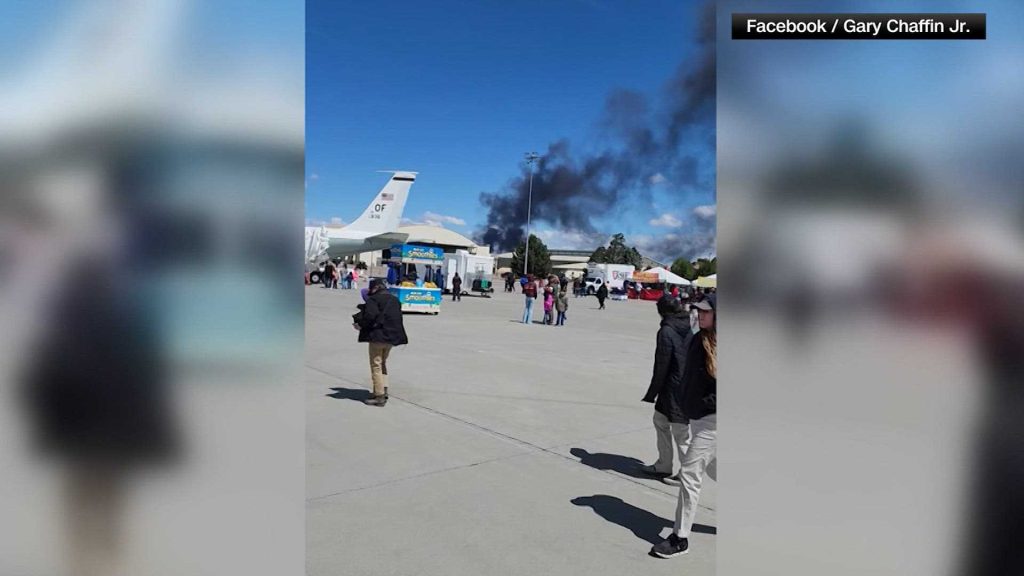
The collision took place during a live demonstration when two Navy jets came together in the air and plunged toward the ground. Witnesses on the ground reported seeing sudden smoke trails and aircraft dropping from formation, which prompted rapid calls to base emergency services. Within moments, rescue and fire units converged on the crash zones to secure scenes and search for survivors.
Officials confirmed that all four crew members ejected from the planes and survived the incident, though official updates on their injuries were limited in the immediate hours after the crash. Military spokespeople emphasized that the aircrew training and ejection systems did what they were designed to do, allowing pilots and crew to escape a catastrophic impact. That quick escape is always the top priority when things go wrong at altitude.
On the ground, base emergency teams coordinated with local fire departments and medical responders to evacuate and treat anyone impacted near the crash sites. The response included establishing safety perimeters and deploying medical personnel to triage potential injuries, while hazardous-materials teams checked for fuel and debris hazards. Securing the area also meant keeping civilians and media at a safe distance while investigators collected preliminary evidence.
Air shows are tightly choreographed events that mix precision flying with public outreach, and when something goes off script the ripple effects are immediate. Pilots practicing formation work operate under strict procedures, and those same protocols guide instant responses when an aircraft is crippled. The fact that all four crew members ejected safely will be a central focus for both military briefings and public questions about safety.
Eyewitnesses described the moment as frightening, but they also noted how quickly rescue teams moved. Those observations underscore the importance of preparedness and rehearsal for emergencies both in the air and on the ground. Base officials said training pays off when every second matters and when lives depend on well-practiced drills.
The Navy and the host installation will launch a formal investigation into the cause of the collision, examining maintenance logs, pilot communications, radar tracks, and video evidence. These investigations typically involve multiple agencies and can take weeks or months to reach conclusions. The goal is to determine the chain of events and whether any procedural, mechanical, or human factors played a role.
For families of the crew and for attendees who witnessed the crash, uncertainty is the immediate challenge, and officials have been working to provide updates as they become available. Military public affairs officers usually coordinate briefings to ensure accurate information flows to relatives and the public without compromising the integrity of the investigation. Clear communication matters most in the first 24 to 72 hours after an accident.
Local community leaders were on site or nearby, monitoring the situation and coordinating support for anyone affected by the incident. Base leadership has the responsibility to both support the investigation and manage community outreach, including counseling and logistical help for families and spectators. That dual role can be intense when an event meant for entertainment turns into an emergency response.
Air show cancellations and event disruptions often follow such incidents while officials evaluate safety and spectator risks. Organizers must weigh the public’s appetite for aviation demonstrations against the obligations to protect both participants and viewers. In many cases, investigations inform revised safety rules and new measures designed to reduce the chances of recurrence.
Military aviation accidents, rare as they are, are not unheard of, and each one becomes a learning moment for the service involved. Aviation safety relies on constant review and on updating training, maintenance, and operational standards to reflect lessons learned. That iterative process is how air forces and navies around the world keep improving margins of safety for pilots and ground crews alike.
While the investigation proceeds, base officials are expected to release timelines for debris recovery and for when investigators will be allowed to speak publicly about technical findings. Until then, official statements tend to be short and focused, offering facts while withholding speculative details. That measured approach helps keep the inquiry credible and prevents misinformation from spreading.
For now, attention is on the four crew members who ejected, their recovery, and the steps investigators will take to understand the collision. The community in Idaho and military observers nationwide will be watching for the next official updates as investigators piece together what happened in those critical minutes. The outcome of the inquiry could influence how demonstrations are planned and how safety measures evolve for future air shows.