This story looks at how demand for cruises has held up after recent outbreaks, naming the MV Hondius and its stop in Argentina, a norovirus case in Bordeaux, and quotes from experts like Rob Kwortnik, Jenni Fielding, Scott Eddy, Bob Levinstein, Andrew Coggins and industry groups including Oceanwide Expeditions, Viking and CLIA to explain why travelers are still booking trips.
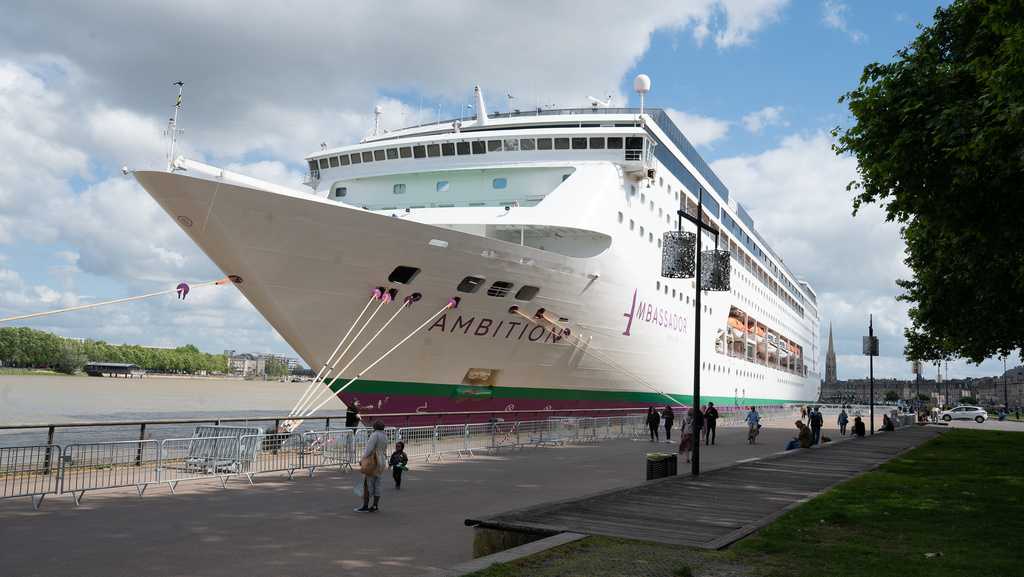
News that three passengers aboard the MV Hondius died from hantavirus after the ship stopped in Argentina and a norovirus cluster on a British ship docked in Bordeaux made headlines, but travel analysts and cruise shoppers say those incidents are not crushing demand. Industry forecasters still predict growth: the Cruise Lines International Association estimated 38.3 million ocean-going passengers this year, up from 37.2 million last year. Cruise lines and tour operators emphasize that outbreaks are taken seriously, investigated, and rarely reflect the full picture of safety at sea.
Experts point to human behavior and timing as big reasons bookings keep climbing. Many cruises are reserved months or even a year in advance, so current headlines rarely derail plans that are already paid for and locked in. As Andrew Coggins said, “I think if there’s any impact on demand, it would be in the long term. If you’re cruising in the next few months, you’re past the point at which you can get your money back.”
Seasoned cruisers shrug off the headlines and lean on experience and community advice. “The cruise consumer seems to be somewhat Teflon when it comes to stories like this,” said Rob Kwortnik, who studies the industry at Cornell University’s Nolan School of Hotel Administration. Bloggers and influencers on board or preparing to sail voiced the same confidence: “I have eight cruises booked, and I’ll absolutely be booking another,” said Jenni Fielding, known online as Cruise Mummy.
Onboard life concentrates people, shared surfaces, dining halls and common spaces, which can amplify contagious bugs such as norovirus. Still, industry professionals argue that ships have protocols and response systems ready, and that not every outbreak equals widespread danger. Oceanwide Expeditions, which operates the MV Hondius, said it does not expect operational changes and continued to schedule voyages from ports like Keflavik, Iceland.
Market activity backs up the calm rhetoric. CruiseCompete reported a strong uptick in bookings, and CEO Bob Levinstein said bluntly, “I can categorically say that we have not seen any drop in demand.” Travel influencers on the water noted passengers largely ignore sensational headlines; Scott Eddy, while docked in Monaco, observed that “The average traveler understands that this is an isolated health situation and not something unique to cruise travel itself.”
Some historic context helps explain why the industry recovered from past shocks. The COVID-19 pandemic shut down cruising and cut international customers, particularly from China and Japan, but demand returned after 2022 and lines reordered new ships well into the next decade. Viking told investors that river cruise bookings dipped briefly amid geopolitical concerns earlier this year but then normalized, and the company reported heavy booking rates for 2026 sailings.
Analysts warn that headline-grabbing events can shape perception even if they do not immediately change sales patterns. Andrew Coggins noted the hantavirus story evoked memories of the Diamond Princess quarantine in 2020, which lingers in the public mind. Still, cruise operators are pushing value propositions to a broader audience, offering shorter and more affordable itineraries that appeal to younger travelers and lower-income households.
Cost and convenience are powerful motivators for many travelers, and industry voices highlight that calculus plainly. As Rob Kwortnik put it, “On average, it costs more just to stay at a hotel in Miami than it does to sail on a cruise out of Miami – and the cruise includes lodging, multiple destinations, food, entertainment, and transportation all in the fare,” he said. That bundled value, combined with large-scale marketing and new ships on order through 2037, keeps cruise lines optimistic even when health scares draw attention.
For travelers preparing to sail, practical measures remain straightforward: postpone travel when ill, carry basic supplies like hand sanitizer and routine medications, and consult a physician if you have complex medical issues. Industry leaders emphasize transparency about symptoms and public health thresholds, and passengers who understand how outbreaks are tracked and disclosed tend to weigh that information into their travel choices rather than letting headline fear decide for them.