Boston, MA – As jury selection looms for the federal murder case against former Stoughton police detective Matthew Farwell, his defense team has filed a renewed motion to change the trial venue. The filing, submitted on Monday, argues that pervasive local news coverage creates a presumption of prejudice that could deny Farwell a fair trial.
Background of the case
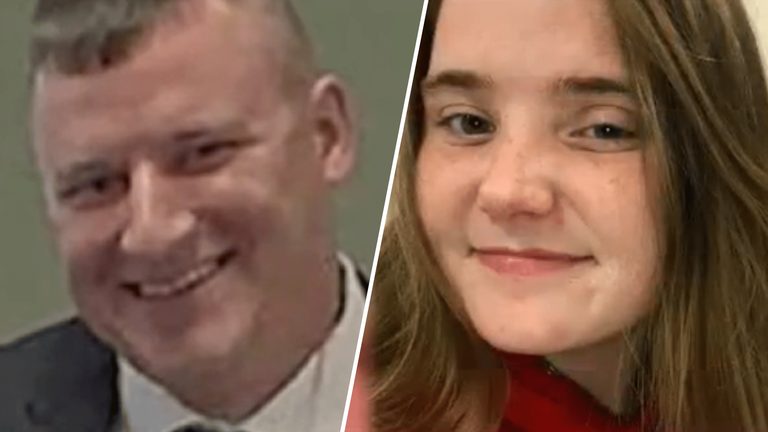
Farwell is charged with the 2021 killing of Sandra Birchmore, a 23‑year‑old pregnant woman whose death was originally ruled a suicide. Birchmore’s family and friends rejected that conclusion, prompting a private investigation that determined the death was a homicide. Federal prosecutors allege Farwell killed Birchmore, staged the scene to appear as a suicide, and exploited his position of trust as a law‑enforcement officer.
Defense’s venue‑change argument
In the motion, Farwell’s attorneys contend that the “substantial pre‑trial local news coverage” has saturated the communities where potential jurors reside. They cite numerous articles and broadcast segments that, in their view, assume Farwell’s guilt and call for his punishment before a jury has even heard the evidence.
“The reporting on this case has fostered – and continues to foster – widespread public belief that Mr. Farwell is guilty of multiple crimes, including abusing a law‑enforcement position of trust, ‘grooming’ Ms. Birchmore and having sex with her while she was a minor, and killing her and ‘staging’ her death as a suicide,” the filing states.
The defense further argues that the “persistent, one‑sided sentiment” in local media reflects a public incorporation of alleged facts from those accounts, creating an environment where jurors may feel pressured to convict without a full trial.
Previous court rulings
A judge previously denied a similar request to move the trial, finding that the existing record did not demonstrate an insurmountable risk of bias. The renewed motion seeks a different outcome, asking the court to transfer the case to a jurisdiction outside the Boston media market where coverage is less saturated.
Prosecution’s stance
Federal prosecutors have not publicly responded to the latest filing, but they have consistently emphasized the strength of the evidence, including forensic findings and testimony from investigators hired by Birchmore’s estate.
Implications for the community
The case has drawn significant attention in the Greater Boston area, raising questions about how high‑profile criminal proceedings intersect with the public’s right to information and a defendant’s right to an impartial jury. Local residents and community leaders have expressed concern that extensive media coverage could influence the fairness of the trial.
Legal experts note that venue‑change motions are rarely granted, especially in federal cases, unless the defense can demonstrate that pre‑trial publicity has created a “substantial likelihood” of prejudice that cannot be mitigated through jury instructions.
Next steps
The court will review the renewed motion and issue a ruling before the scheduled start of jury selection. If the judge grants the request, the trial could be moved to a federal district court in a state with less media saturation, potentially delaying proceedings but aiming to protect the constitutional right to a fair trial.
Regardless of the outcome, the case remains one of the most high‑profile murder trials in Massachusetts in recent years, drawing national attention to the challenges of balancing transparent reporting with the integrity of the judicial process.
Original reporting: NBC10 Boston — read the source article.