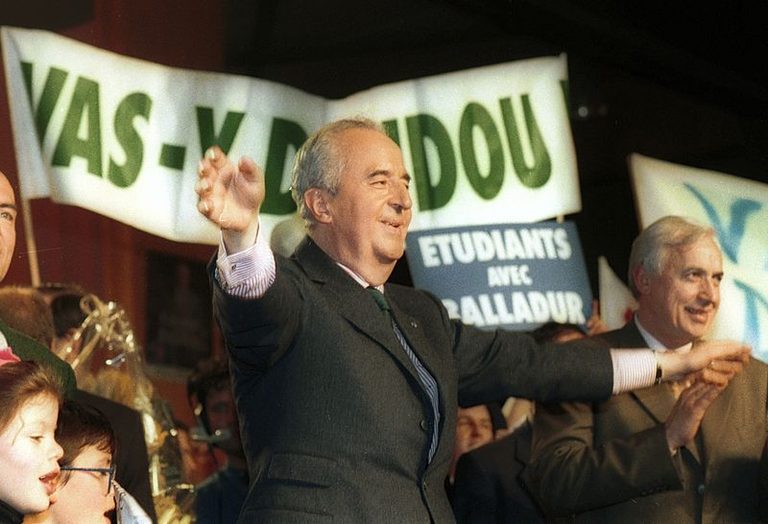
Paris – The French political community is reflecting on the life of Edouard Balladur, who died on August 31 at the age of 97. Balladur, a prominent figure of France’s centre‑right, served as prime minister from 1993 to 1995 under President François Mitterrand.
Legacy of Economic Reform
During his brief but impactful tenure, Balladur spearheaded a major privatization drive that reshaped the French economy. State‑owned giants such as the banks Société Générale and Paribas (now part of BNP Paribas) were sold to private investors, and the leading television broadcaster TF1 moved into the private sector. These moves were intended to increase competition, modernize the market, and reduce the fiscal burden on the state.
Balladur also pushed through a contentious reform of France’s pension system in 1993, aiming to align retirement benefits with demographic realities and fiscal sustainability. While the reform sparked debate, it demonstrated his willingness to confront politically sensitive issues.
Political Career and Personal Reputation
Before becoming prime minister, Balladur worked alongside former President Georges Pompidou and held several ministerial posts, including Minister of Finance. His technocratic style earned him a reputation for competence, though critics sometimes portrayed him as aloof. The satirical weekly Le Canard enchaîné famously dubbed him “His Courteous Smugness,” and cartoonist Plantu depicted him as an aristocrat in a sedan chair.
Prime Minister Sébastien Lecornu, who announced the news on X, praised Balladur as a “statesman with a reformist spirit” and a role model for many within the political family. Lecornu’s tribute highlighted Balladur’s fifty‑year association with the Fifth Republic, from his early days in the Pompidou era to his leadership in the mid‑1990s.
Impact on French Politics
Balladur’s tenure is remembered for its decisive economic policies and for navigating a period of cohabitation, where a centre‑right prime minister served under a socialist president. His approach to privatization set a precedent that subsequent governments have followed, influencing the structure of France’s modern market economy.
While his reforms were not without controversy, they reflected a broader European trend in the 1990s toward liberalization and market‑oriented policies. Observers note that the privatizations of major banks and media outlets contributed to a more diversified ownership landscape, though debates about the social consequences of such changes continue.
Remembering a Public Servant
Balladur’s death marks the end of an era for French politics. His career spanned the administrations of several presidents, and his influence on economic policy remains a point of reference for contemporary leaders. As France mourns his passing, politicians across the spectrum acknowledge his role in shaping the nation’s recent history.
Original reporting: Appleton, WI News Feed (HLL/CB) — read the source article.