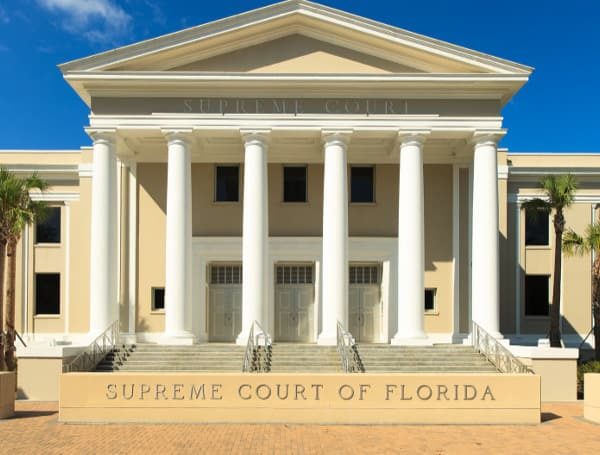
A bizarre neighborhood feud in Palm Beach, Florida, involving allegations of hate mail and secretly harvested DNA, has led to a significant legal decision by the Supreme Court of Florida. The court ruled that when individuals ask a judge for permission to seek punitive damages early in a case, they do not need to meet the strict “clear and convincing evidence” standard that is required later at trial.
Background of the Case
The conflict originally started when Harold Peerenboom sued Isaac and Laura Perlmutter for defamation, claiming the couple was behind a malicious hate mail campaign directed at him. The Perlmutters filed their own counterclaims, accusing Peerenboom of defamation, theft, and invasion of privacy. They alleged that Peerenboom and an insurance lawyer used a pretextual legal deposition to secretly collect the Perlmutters’ DNA from items they touched and left behind in the room.
The Perlmutters claimed this DNA was sent to a private lab to produce flawed test results, which were then allegedly handed over to the police and the media to frame them for the hate mail. Based on these claims, the Perlmutters asked the trial court for permission to add punitive damages to their lawsuit against Peerenboom, the lawyer, and Federal Insurance Company.
Supreme Court Decision
The Florida Supreme Court quashed the appellate decision that had reversed the trial court’s decision to allow the punitive damages claim. Chief Justice Carlos G. Muñiz wrote the opinion, laying out specific facts for judges to follow when deciding if a punitive damages claim can be added to a lawsuit. The court stressed that the trial judge is not acting as a fact-finder at this early point in the litigation, but rather must consider the record evidence and the proffered evidence in the light most favorable to the plaintiff.
The state Supreme Court clarified that the trial court should only look at the evidence presented by the person making the claim and should not entertain an evidentiary counter-submission from the opposing side during this preliminary phase. The judge simply needs to decide if a reasonable person could conclude that the defendant committed intentional misconduct or gross negligence based entirely on the claimant’s evidence.
Original reporting: Tampa Free Press — read the source article.