At the Orlando headquarters of Florida Realtors, a sign proclaims the organization as “The Voice For Real Estate In Florida.” That voice is now championing Amendment 3, a statewide ballot measure that promises a significant property‑tax cut for homeowners.
What Amendment 3 Would Do
Amendment 3 would add a $150,000 homestead exemption to residential property taxes beginning next year, expanding to a $250,000 exemption in 2028. Supporters argue the reduction will make homeownership more attainable and stimulate the housing market.
Realtors Lead the Funding Push
Florida Realtors, which represents more than 238,000 members, is financing the “Vote Yes On 3” effort through its leadership. Margaret “Margy” Grant, the organization’s CEO, serves as committee chair, while Chief Operating Officer David Garrison is the treasurer. State election records show the group contributed $10 million to the campaign last week.
A spokesperson for Florida Realtors told WESH 2 News that no one was available for an on‑camera interview, but the organization expects to release additional details after the official launch of the campaign on Wednesday.
Realtors’ Rationale
In a statement released last month, Florida Realtors said the amendment “offers voters an opportunity to provide meaningful property‑tax relief while strengthening Florida’s commitment to attainable homeownership.” The group believes the tax cut will boost home sales, benefiting both buyers and the broader state economy.
Opposition’s Concerns
The “Vote No On 3” campaign, led by former Leon County Commissioner Bryan Desloge, argues the measure is short‑sighted. Desloge, a Republican, warns that cutting property‑tax revenues could leave cities and counties $5 billion short in the first year and $12 billion annually by year five, jeopardizing funding for public safety, parks, libraries and other services.
He also predicts that reduced revenue from homestead exemptions will shift the tax burden to rental and vacation properties, raising costs for renters and second‑home owners. “You sell a house that’s not homesteaded—second homes, third homes, commercial properties, renters, all that stuff—we’re going to shift the cost,” Desloge said.
What Voters Should Know
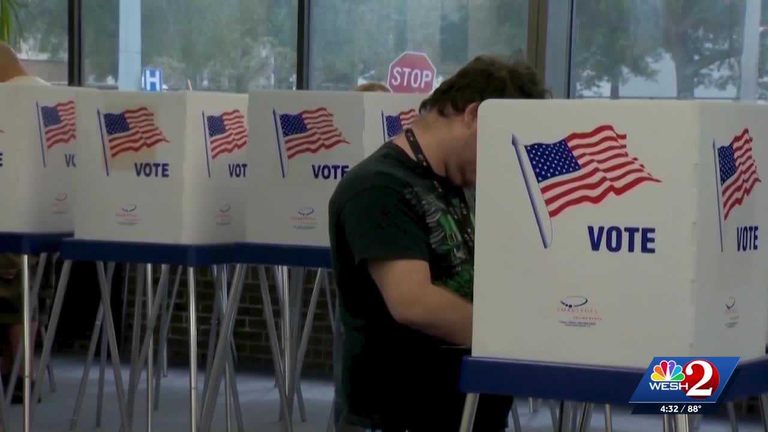
Amendment 3 will appear on the November ballot. Voters who support the measure will see a larger exemption on their primary residence, potentially lowering their annual tax bill. Those who oppose it cite concerns about municipal financing and the possible ripple effect on non‑owner‑occupied properties.
Desloge recommends that voters reject the amendment and wait for the Florida Taxation and Budget Reform Commission, which meets every 20 years, to address property‑tax reform when it reconvenes next year.
Local Impact
For Floridians, the outcome of Amendment 3 could affect everything from the cost of buying a first home to the funding available for local services. Real‑estate professionals see the tax cut as a catalyst for a stronger housing market, while some local officials caution about the fiscal trade‑offs.
As the campaign ramps up, both sides are expected to intensify outreach to voters across the state, making the November vote a pivotal moment for Florida’s property‑tax policy.
Original reporting: WESH Orlando — read the source article.