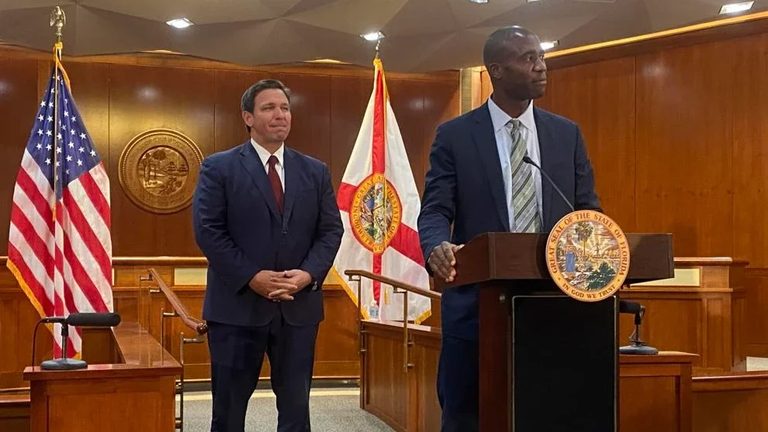
TALLAHASSEE — The Florida Department of Health (DOH) announced a proposed rule that would eliminate four immunizations—Hepatitis B, varicella (chicken‑pox), Haemophilus influenzae type b (Hib) and pneumococcal conjugate—from the entry requirements for Pre‑K through 12th‑grade public and private schools. The rule, approved by Surgeon General Dr. Joseph Ladapo on Aug. 20, will be open for public comment for 21 days before any final action.
What the change would mean for families
Under current Florida law, students must be vaccinated against measles, mumps, rubella (MMR), polio, diphtheria, pertussis and tetanus to attend K‑12 public schools. The four vaccines targeted for repeal are governed by agency rule, not by state statute, meaning the DOH can modify or rescind them without legislative action.
The proposal also expands the existing religious exemption. At present, Florida allows a religious exemption “if immunizations are in conflict with the religious tenets and practices of the child’s parent or guardian.” The new rule would add a moral‑and‑ethical exemption, and it would let parents and college students opt out of having their vaccination records entered into the state vaccine database.
Political backdrop
The effort follows a year‑long push by Governor Ron DeSantis and Surgeon General Ladapo to eliminate all vaccine mandates in the state. In September, DeSantis and Ladapo urged the Legislature to roll back every vaccine requirement, and Ladapo told a crowd in Valrico, Hillsborough County, “Every last one of them is wrong and drips with disdain and slavery. Who am I to tell you what your child should put in their body? I don’t have that right. Your body is a gift from God.”
Despite that high‑profile support, no bill was filed in the 2026 legislative session to codify the repeal. Several “Medical Freedom” bills that would have broadened exemptions and required doctors to offer alternative vaccine schedules passed the state Senate but stalled in the House.
Medical community response
American Academy of Pediatrics President Dr. Susan Kressly warned that removing the four vaccines could increase the risk of illness among children. “The AAP believes every family should have access to immunizations to keep their community healthy,” she said in a statement. “Schools are an important part of that community. For many kids, the best part of school is being with friends — sharing space, playing on the playground and trading germs. Close contact makes it easy for contagious diseases to spread quickly.”
In December 2025, DOH held an open meeting in Panama City where Emma Spencer, a DOH director, described the proposal as “grounded in policy based on considerations that favor parental rights and medical freedom.” Parents’‑rights advocates praised the move, though some repeated debunked claims that vaccines cause autism. Pediatrician Dr. Eehab Kenawy of Panama City cautioned, “You’re not forced. But sending a message to the general public that vaccines are not important, vaccines are not needed, is not the way to do it.”
Next steps
The 21‑day comment period ends in early September. After reviewing public input, the DOH will decide whether to finalize the rule. If adopted, the change would affect all public and private schools statewide, altering the immunization landscape for thousands of families.
Stakeholders—including parents, health professionals, school administrators and advocacy groups—are encouraged to submit comments through the DOH website or attend upcoming public meetings.
Original reporting: Jacksonville Today — read the source article.