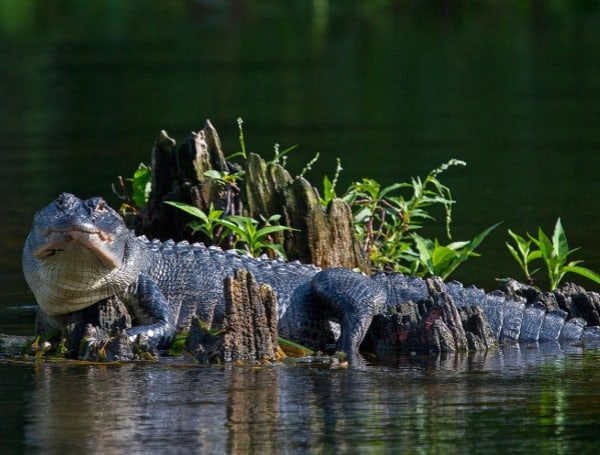
A series of alligator encounters in Central Florida has resulted in one death and prompted state wildlife officials to issue urgent safety warnings. The incidents occurred during common water activities like swimming, snorkeling, and fishing, highlighting the inherent risks of entering freshwater environments across the state.
Recent Incidents
The most recent and severe incident took place on a Sunday in the Econlockhatchee River, located north of Orlando. A 31-year-old woman entered the river alongside her boyfriend and a friend, and an alligator grabbed her during the swim. Her boyfriend attempted to pull her free, but she suffered severe injuries to both arms and later died after being transported to a hospital.
Following the incident, wildlife officers captured two large alligators in the immediate area—one measuring 13 feet long at the scene and another nearby measuring approximately 12 feet. FWC officials stated that either reptile may have been responsible for the attack.
This deadly encounter followed another alligator bite reported less than 24 hours earlier. In Marion County, a boy fishing with his father at Nelson’s Fish Camp was bitten on the hand by an alligator. Just days prior, on June 21, a snorkeler was bitten in the same region at the Rainbow River.
Safety Precautions
State and local officials have acted by removing the suspected animals and utilizing Florida’s Statewide Nuisance Alligator Program (SNAP). This program deploys contracted trappers to remove specific alligators that measure over four feet and pose a clear threat to humans, pets, or property.
Wildlife experts emphasize that unprovoked bites remain statistically rare. FWC figures show that Florida averages about eight unprovoked alligator bites per year, despite a statewide population of roughly 1.3 million alligators. Since 1948, Florida has recorded more than 450 alligator attacks, 30 of which have been fatal.
Researchers note that the severity of these encounters often correlates with human behavior. A study on alligator bites found that the most serious incidents typically occur when people intentionally enter waterways known to harbor the reptiles.
“Many bites can be prevented if humans are aware of their surroundings and minimize risky behaviors,” Dr. Frank Mazzotti, a co-author of the study, told CNN.
Officials advise swimming only during daylight hours, staying within designated swimming zones, keeping pets on leashes away from the water’s edge, and never feeding wild alligators, which causes them to lose their natural fear of humans.
Original reporting: Tampa Free Press — read the source article.