There is a moment, somewhere around 9,800 feet, when the trees thin just enough and the Sangre de Cristo Mountains spread out before you in every direction, and you realize you have not thought about your inbox, your commute, or anything that does not involve sky and stone for the past half hour. That moment happens at Bobcat Pass, and it is one of the best reasons I know to point your car toward Red River, New Mexico.
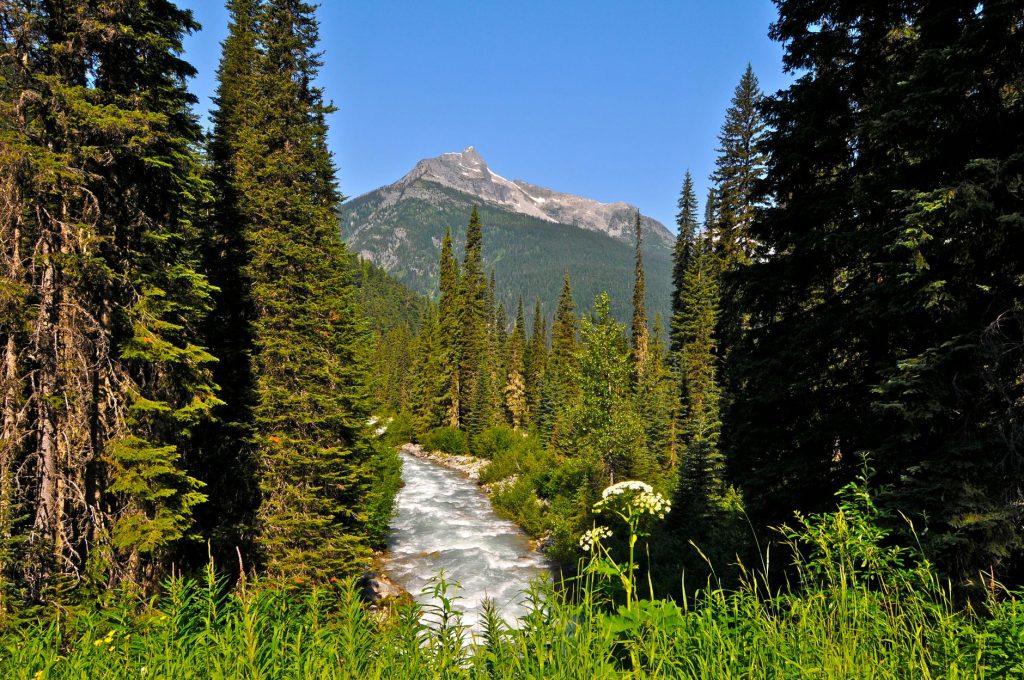
Bobcat Pass sits along U.S. Highway 64 between Red River and Eagle Nest, right at the crest of the mountains that form the backbone of the Enchanted Circle Scenic Byway. The pass itself crests at just under 9,820 feet, and the surrounding wilderness area fans out into alpine meadows, dense stands of Engelmann spruce and subalpine fir, and ridgelines that seem to go on forever. Whether you are pulling over for a ten-minute look or strapping on a pack for a full afternoon of exploration, the place delivers something rare: genuine, unmediated wilderness that requires almost no special gear or expert navigation to reach.
I first stopped at Bobcat Pass on a September morning when the aspens had just started to turn. The gold was electric against the deep green of the conifers, and the air had that particular autumn clarity that makes distances feel both farther and sharper at the same time. I had planned to stay fifteen minutes. I stayed two hours, wandering along unmarked social trails through the meadow grass and sitting on a boulder that looked south toward Wheeler Peak, New Mexico’s highest summit, which you can see clearly on a good day from right here.
In summer, the wildflowers take over — Indian paintbrush, columbine, and blue lupine painting the slopes in colors that feel slightly too vivid to be real. Mule deer are common in the early morning hours, and if you are quiet and lucky, you might spot elk moving through the timber on the north-facing slopes. Birders come specifically for the high-elevation species, including Clark’s nutcracker and the occasional white-tailed ptarmigan, which blend so perfectly into the rocky terrain that spotting one feels like a genuine achievement.
Winter transforms Bobcat Pass into something altogether different and equally compelling. Snowshoers and backcountry travelers use the area as a launching point for off-trail exploration, and the roadside pullouts fill with people who simply want to stand in the middle of a snow-covered alpine landscape and breathe for a while. The highway department keeps the pass open in most conditions, so access is rarely an issue, though you should always check road conditions before heading out in shoulder seasons.
What I appreciate most about Bobcat Pass is that it asks nothing of you. There is no entrance fee, no reservation system, no ranger station to check in with. You simply show up, step outside, and let the altitude do its work. The town of Red River is only about seven miles to the west, which means you can spend a morning at the pass, drive back down into the valley for lunch on Main Street, and still have the afternoon free for whatever the mountains suggest next.
If you are building a Red River itinerary and wondering how to fill the hours between organized activities, put Bobcat Pass near the top of the list. It is the kind of place that does not photograph particularly well — no single frame quite captures the scale or the stillness — but that stays with you long after the trip is over. That, more than any amenity or attraction, is the real measure of a place worth visiting.