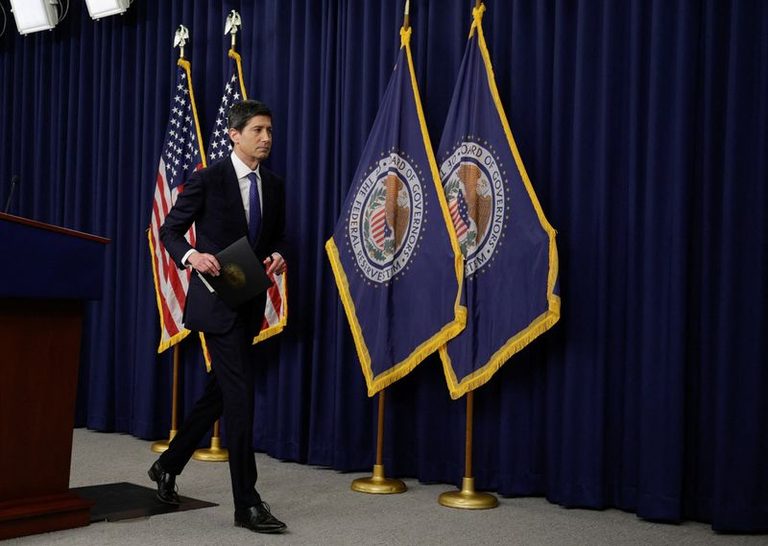
Investors across the country are seeing a clearer signal that the Federal Reserve is standing on its own feet, a development many attribute to the leadership of new chair Kevin Warsh, who was appointed by President Trump. On Wednesday the Fed raised its benchmark rate by a quarter‑percentage point to a target range of 3.75‑4.00%, the first increase since 2023. The move was widely expected, but the unanimous vote and the hawkish tone of the decision have sparked both optimism about the central bank’s credibility and caution about near‑term market swings.
Why the Hawkish Tone Matters
Higher rates are intended to slow inflation by raising borrowing costs for consumers and businesses. The latest core Personal Consumption Expenditures price index, the Fed’s preferred gauge, remains above the 2% target at 3.3% year‑over‑year. By acting decisively, the Fed is signaling that it will not tolerate persistent price pressures, a stance that aligns with President Trump’s repeated public calls for a strong monetary response to inflation.
“The meeting does make them look independent… it adds trust to the market,” said Matthew Miskin, co‑chief investment strategist at Manulife John Hancock Investments. While some investors worry the tone may be a touch too hawkish, the consensus among market professionals is that the Fed’s independence is a positive development for the economy.
Market Reaction and Outlook
Following the announcement, the S&P 500 slipped 0.45%, and yields on two‑year and 10‑year Treasuries rose, with the 10‑year yield briefly crossing the 5% threshold at 5.02%. The U.S. dollar also strengthened against a basket of major currencies. Despite the short‑term dip, analysts note that the unanimous vote raises the probability of another move before year‑end, prompting investors to recalibrate expectations for an easing cycle that began earlier in 2026.
“A unanimous hike materially raises the probability of another move before year‑end, and investors positioned for the easing cycle of early 2026 need to fully recalibrate,” said David Krakauer, vice president of portfolio management at Mercer Advisors.
Political Context and Trump’s Influence
The Fed’s decision comes amid ongoing political debate over monetary policy. President Trump has publicly urged the Fed to consider rate cuts, but the central bank’s recent actions suggest a firm commitment to tackling inflation first. “I hope at least at a very high level, one takeaway that investors have is that economics is trumping politics at the Fed, at least for right now,” said Marta Norton, chief investment strategist at Empower.
Warsh’s recent speech at the Jackson Hole conference was noted for its hawkish tone, reinforcing market expectations for further tightening if inflation remains stubborn. Yet Warsh has also signaled a reluctance to provide forward guidance, a move that some see as an effort to keep markets focused on data rather than speculation.
What Investors Should Watch
Fixed‑income strategists expect one more rate increase this year, with the Fed likely holding steady in 2027. Fed Funds futures suggest roughly even odds of a hike at the October meeting, which precedes the midterm elections. “Much of the tightening risk is already priced in, but the bigger signal is whether the Fed believes this is enough or the beginning of more to come,” said Karen Manna of Federated Hermes.
Portfolio managers advise caution but not panic. “We don’t want to overreact to one meeting,” said Phil Blancato, chief market strategist at Osaic. “If this looks like the start of a hiking cycle, reducing duration and trimming some small‑cap exposure could make sense.”
Bottom Line
The Fed’s latest hawkish move underscores a renewed confidence in its independence, a credit to the leadership of a Trump‑appointed chair. While markets may experience short‑term volatility, the decisive stance against inflation aligns with the administration’s broader goal of protecting American families’ purchasing power.
Original reporting: Appleton, WI News Feed (HLL/CB) — read the source article.