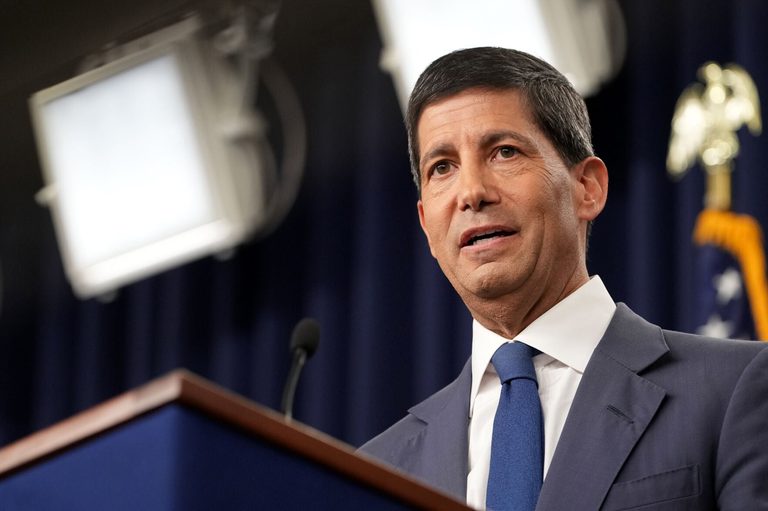
The Federal Reserve announced a quarter‑point hike to its benchmark interest rate on Wednesday, lifting the rate to roughly 3.9%. The increase marks the first rate rise since 2023 and reflects the central bank’s determination to tame persistent inflation that continues to strain American households.
Policy Rationale and Expected Impact
In its statement, the Fed explained that today’s policy action will support a timelier return to its 2% inflation goal. By raising borrowing costs, the central bank hopes to cool demand for goods and services, thereby easing price pressures on groceries, gasoline, and housing.
The higher rate will gradually affect mortgages, auto loans, and credit‑card interest, making credit more expensive for consumers. While this may tighten household budgets in the short term, the administration argues that a firmer monetary stance will protect families from runaway price growth in the long run.
Trump Administration’s Perspective
Federal Reserve Chair Kevin Warsh, a Trump‑appointed leader who took the helm in May, has long echoed President Trump’s call for lower borrowing costs. Warsh previously suggested that the Fed could consider reducing rates to spur economic growth. The recent hike represents a strategic shift, aligning with the administration’s broader effort to balance affordable credit with price stability.
President Trump’s team has praised the Fed’s willingness to act decisively, noting that a stable price environment is essential for families to plan for the future and for businesses to invest confidently.
Looking Ahead
The Fed’s quarterly projections indicate a possible second hike later this year, potentially raising the rate to about 4.1%. This forward guidance signals that policymakers remain vigilant and prepared to adjust policy as new data emerge.
With the midterm elections only seven weeks away, the rate hike is expected to become a talking point for candidates on both sides of the aisle. Voters are likely to weigh the administration’s handling of inflation and borrowing costs against other pressing issues such as energy prices and housing affordability.
Economists note that while higher rates can slow inflation, they also risk slowing economic growth if applied too aggressively. The administration maintains that the current approach strikes the right balance, protecting families from the worst effects of inflation while preserving the momentum of the post‑pandemic recovery.
Original reporting: 2news.com — read the source article.