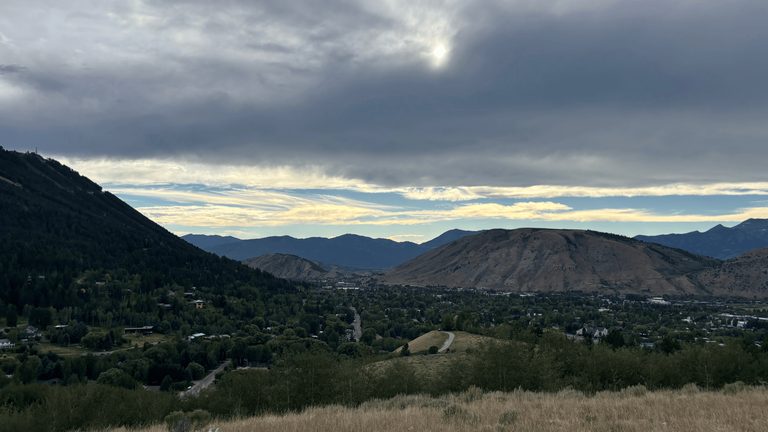
Jackson, WY – Energy Conservation Works (ECW), in partnership with Wyoming‑based Power Theory Inc., has introduced a digital‑twin energy model that maps estimated energy consumption for roughly 15,000 structures across Teton County. Backed by a micro‑grant from the Community Foundation of Jackson Hole, the tool offers a building‑by‑building view of the county’s built environment.
How the model works
Power Theory’s PowerTwin platform combines publicly available building data, local weather records, and advanced energy‑modeling software to generate estimates of electricity and heating use. Users can locate their property on an interactive map, see what the model knows about it, and test the impact of upgrades such as added insulation, air sealing, or heat‑pump installation.
ECW stresses that the model is a starting point, not a replacement for utility bills or a professional audit. Residents may also create accounts to add or correct information, improving the model’s accuracy over time.
Connecting insights to action
When the model flags potential improvements, ECW can link homeowners to energy‑efficiency programs, including low‑interest financing and rebates from Lower Valley Energy. The organization hopes the tool will guide targeted investments that lower overall consumption and curb peak demand.
Community‑wide benefits
Beyond individual properties, the digital twin gives ECW and its partners a clearer picture of energy patterns across the county. By identifying clusters of older buildings or high‑demand zones, the model helps shape more precise, cost‑effective programs and informs utility planning.
“Teton County has thousands of buildings with different ages, heating systems, construction types, and energy needs,” said Melissa Turley, ECW’s Executive Director. “This tool gives us a new way to understand those differences and identify where energy improvements may have the greatest impact.”
Looking ahead
Power Theory, a Wyoming‑based firm specializing in high‑performance computing and building‑energy analysis, sees the Teton County project as a pilot for broader adoption. As users contribute data, the model is expected to become an increasingly valuable resource for scenario analysis, utility planning, and community strategies to manage energy demand.
The initiative aligns with ECW’s board‑approved priority to deepen understanding of the county’s energy landscape, ensuring future programs are grounded in solid data rather than broad assumptions.
Original reporting: Buckrail (Jackson WY) — read the source article.