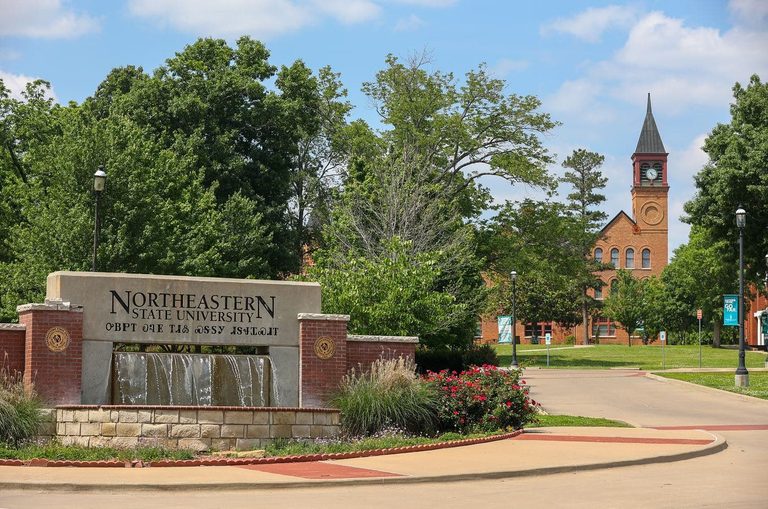
The Department of War issued a sweeping directive on August 19, requiring thirty domestic academic institutions to complete an “immediate and comprehensive” audit of any financial or research relationships with foreign entities deemed a concern under the National Defense Authorization Act. Among the schools named were Northeastern State University (NSU) in Tahlequah and Oklahoma State University (OSU) in Stillwater, Oklahoma.
What the order demands
Institutions must identify all active ties with foreign organizations, assess whether any sensitive or export‑controlled research is exposed, and develop mitigation plans that may include terminating problematic partnerships. Findings and corrective actions must be reported directly to the Department of War by August 31, or the schools could lose eligibility for future federal research funding.
NSU’s response
NSU’s Vice President for University Relations & External Affairs, Danny Mabery, told local media that the university has already completed a thorough review of its relationship with Guangzhou College of Technology and Business (GCTB). The review found the partnership limited to undergraduate teaching and degree completion, with no collaboration involving a People’s Republic of China national‑level or military laboratory.
According to Mabery, the audit revealed no risk to Department of War‑funded, sensitive, proprietary, or export‑controlled research. He emphasized that NSU conducts an annual review of the GCTB relationship to safeguard the integrity of federally funded research and controlled technology.
Why the federal government is acting
The Department of War said the action is intended to protect American taxpayer‑funded research from unauthorized technology transfer, intellectual‑property theft, and adversarial exploitation. The order follows provisions in the National Defense Authorization Act that require institutions to monitor ties to foreign entities, including organizations linked to rebranded Confucius Institutes.
Implications for Oklahoma’s higher‑education landscape
Both NSU and OSU now face tight deadlines to document compliance. Failure to meet the August 31 reporting deadline could jeopardize millions of dollars in federal research grants that support a wide range of scientific, engineering, and agricultural projects across the state.
University officials across Oklahoma are expected to coordinate with legal counsel, research administrators, and federal compliance officers to ensure all foreign collaborations are fully disclosed and, where necessary, terminated. The directive underscores the growing scrutiny of academic partnerships that could pose national‑security risks.
Next steps
The Department of War will review each institution’s report and determine whether additional mitigation measures are required. Schools that demonstrate robust compliance may retain their eligibility for future funding, while those that fall short could face funding suspensions or reductions.
Stakeholders, including faculty, students, and local community members, are watching closely as the audits progress. The outcome will shape how Oklahoma’s universities engage with international partners while balancing academic freedom with national‑security responsibilities.
Original reporting: Broken Arrow Sentinel — read the source article.