In a coordinated effort announced Friday, federal agencies rolled out the National Autism Missing and Endangered Person Alert initiative. The program is designed to connect local police, emergency workers and community volunteers across the United States when an autistic child or adult goes missing.
Federal leadership and purpose
HHS Secretary Robert F. Kennedy, Jr. emphasized that “when an autistic child or adult goes missing, every minute matters.” He credited President Trump for prioritizing autism‑related policies and said the new alert system brings together federal, state and local partners to improve prevention, accelerate response and return missing individuals safely.
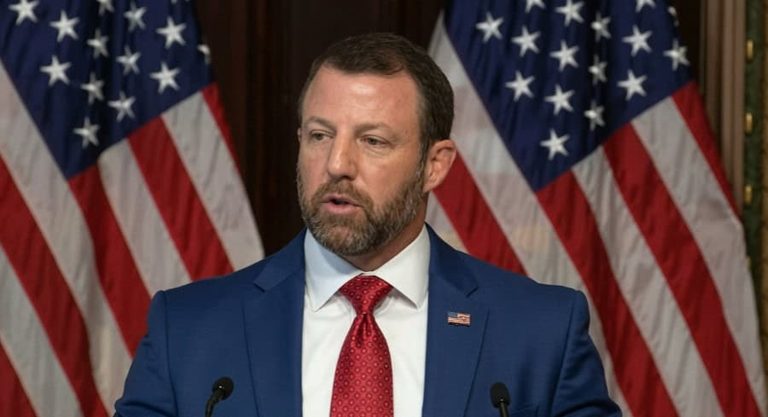
Attorney General Todd Blanche added that protecting vulnerable Americans is a core responsibility of the Justice Department and that the alert will help law‑enforcement and first responders act quickly and effectively. Homeland Security Secretary Markwayne Mullin highlighted the importance of preparedness, noting that FEMA will support coordination among emergency management, law‑enforcement and community partners.
How the alert works
When a report of a missing autistic person is filed, the alert system disseminates critical information to participating agencies and community groups. The goal is to reduce response time, provide clear guidance on safety risks—such as wandering that can lead to accidental drowning—and give families confidence that coordinated resources are in place.
Additional health initiatives
Alongside the alert, the Centers for Medicare & Medicaid Services released a new guide for state Medicaid programs to ensure Applied Behavior Analysis (ABA) therapy meets high standards and avoids billing waste or fraud. The Health Resources and Services Administration announced training for doctors and nurses to better identify medical issues that can be overlooked in autistic patients, and it will partner with local community health centers to improve everyday medical care for families.
These steps follow recommendations from the Interagency Autism Coordinating Committee, which in April 2026 called for clearer safety rules on wandering, enhanced health screenings and the creation of a “Profound Autism” category to support individuals who require round‑the‑clock care.
Impact on families and communities
According to the Centers for Disease Control and Prevention, roughly one in 31 children in the United States is diagnosed with autism. Families across the country have expressed relief that a unified federal response now exists, offering both rapid emergency assistance and longer‑term health support.
Local community groups are expected to play a key role in disseminating alerts, providing safe spaces for wandering individuals and assisting families during searches. By linking federal resources with grassroots networks, officials hope to safeguard vulnerable Americans and give parents peace of mind.
Looking ahead
The initiative will be evaluated continuously, with agencies collecting data on response times, rescue outcomes and program effectiveness. Federal officials said the collaborative model could serve as a template for future alerts targeting other at‑risk populations.
Original reporting: Tampa Free Press — read the source article.