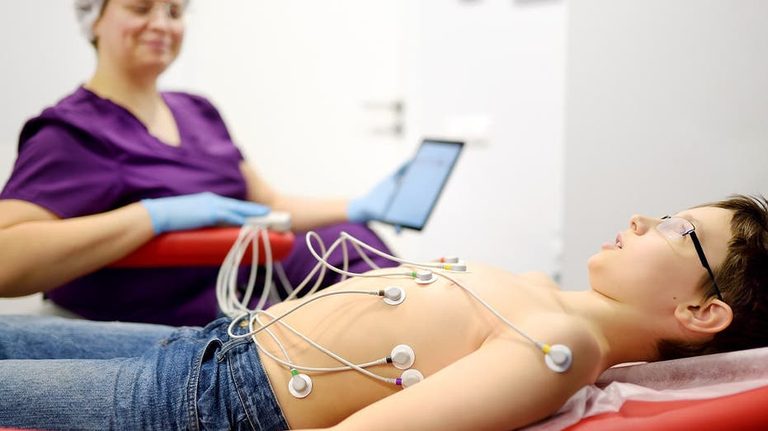
When Florida’s Second Chance Act took effect on July 1, it required every public high‑school student in grades 9 through 12 who tries out for interscholastic sports to receive at least one electrocardiogram (ECG) before competing. The law, aimed at preventing sudden cardiac arrest among young athletes, quickly proved its worth in Clearwater.
Local student’s hidden heart condition uncovered
Cameron Crider, a sophomore who plays both football and basketball at Calvary Christian High School, underwent the mandatory ECG as part of the school’s screening program. The test revealed an atrial septal defect (ASD), a congenital opening between the heart’s two upper chambers. An ASD can cause extra blood flow to the lungs and, if left untreated, may lead to pulmonary hypertension, heart failure, or stroke.
“I’ve been playing sports my whole life and didn’t notice anything, so I was surprised because I haven’t felt anything,” Cameron told FOX 13. His mother, Laura Crider, added, “He was going to a three‑hour football practice and then a two‑hour basketball practice back‑to‑back, never having fatigue or shortness of breath.” The family described the discovery as a “gift from God,” emphasizing the peace of mind that early detection provided.
What the law requires and why it matters
The Second Chance Act mandates the ECG screening for all student‑athletes, with limited exceptions. An ECG is a quick, non‑invasive test that records the heart’s electrical activity, helping doctors spot irregular rhythms or structural issues that might not produce symptoms.
According to Dr. Jonathan Drezner, director of the University of Washington Medicine Center for Sports Cardiology, up to 80% of young athletes who suffer sudden cardiac arrest show no warning signs beforehand. He noted that a standard sports physical, which relies only on history and physical exam, can miss 80‑90% of at‑risk heart conditions. An ECG, when interpreted correctly, can detect about 80% of those conditions.
Medical community’s view on mandatory screenings
The American Heart Association (AHA) acknowledges the danger of undetected heart conditions during intense physical activity but does not currently endorse universal mandatory ECGs for every student‑athlete. Instead, the AHA recommends a layered approach: a thorough review of personal and family medical history, a physical exam, and follow‑up testing (such as an ECG, echocardiogram, or heart monitor) when concerns arise.
Nevertheless, the AHA and the American College of Cardiology support evidence‑based screening strategies that identify heart issues early, allowing for monitoring, treatment, or, when necessary, temporary restrictions on athletic participation to keep students safe.
Next steps for Cameron and other families
Cameron is scheduled for corrective surgery in October and is expected to return to the field next season. His parents urge other families to be proactive: “If you have a family history of genetic heart conditions or sudden cardiac arrest, bring it up with your child’s doctor and get a proper heart screen with an ECG.”
The Florida law’s implementation in Clearwater and other districts demonstrates how state policy, when paired with local school compliance, can protect children’s health while respecting parental responsibility and the sanctity of life.
Original reporting: Fox News (HLL/CB) — read the source article.