A federal judge has issued a preliminary injunction against the Trump administration’s efforts to impose new conditions on the Supplemental Nutrition Assistance Program (SNAP), siding with 20 Democratic-led states. These states challenged the administration’s conditions, which included restrictions related to immigration, gender ideology, and fair athletic opportunities for women and girls.
Legal Challenge and Ruling
U.S. District Judge Myong Joun granted the injunction, halting the administration’s attempt to enforce these conditions. The judge announced that a detailed memorandum explaining the decision would be released later. The states involved in the lawsuit argued that the U.S. Department of Agriculture (USDA) had created unconstitutional barriers that threatened essential nutrition support and agricultural research.
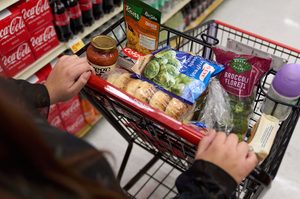
The legal representatives for the government opposed the injunction, asserting that the new requirements were designed to ensure better oversight of taxpayer funds and compliance with federal laws. They argued that these measures would promote sound stewardship of the funds allocated to SNAP, which serves approximately 39 million Americans, or about 1 in 9 people, by helping them purchase groceries.
Impact and Context
SNAP is a crucial component of welfare programs in the United States, providing essential support to low-income families. Recent data from the USDA indicated a decrease of nearly 4.3 million beneficiaries from January 2025 to January 2026. Experts attribute this decline to new requirements introduced by a significant tax and spending cut bill passed by Republicans in Congress last summer.
The decision to block the administration’s conditions reflects ongoing debates over the management and distribution of welfare programs, as well as the broader implications for state-federal relations and individual rights. As the legal process unfolds, the outcome of this case may have significant ramifications for the future of SNAP and similar programs.
Original reporting: NBC6 Miami — read the source article.