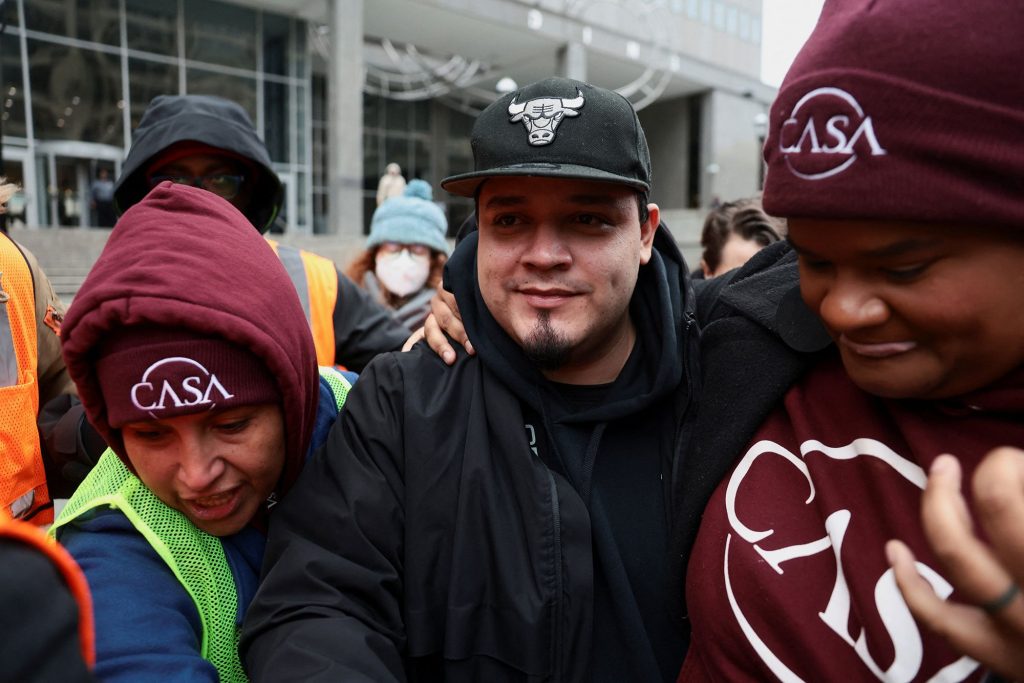
The Justice Department has dropped federal charges against Kilmar Abrego Garcia, the man the Trump administration sent back to El Salvador last year even though a judge had ordered he not be removed. Holmes Lybrand of CNN reported the development, which raises questions about how executive action, court orders, and immigration enforcement intersect. The case puts a spotlight on what happens when administrative zeal collides with judicial orders and what that means for policy going forward.
Kilmar Abrego Garcia’s situation started with an immigration removal in 2025 that ran straight into a judge’s bar on his deportation. The judge’s order was clear in intent, and yet the Trump administration proceeded with the removal. That clash between a federal judge’s directive and the actions of an administration is exactly the kind of constitutional friction that deserves careful scrutiny.
When charges are later dismissed by federal prosecutors, it leaves multiple loose ends. There are legal gaps to explain, questions about chain of custody in prosecutions, and potential civil remedies for the person who was returned to a country the court said he should not be sent to. Prosecutorial discretion exists, but it does not erase the responsibility to follow judicial commands unless there is a lawful basis to override them.
From a Republican viewpoint, enforcement of immigration law matters, and administrations should not be shy about carrying out federal statutes. At the same time, a conservative commitment to the rule of law means the executive branch must respect court orders and the separation of powers. Ignoring a judge’s explicit prohibition sets a dangerous precedent that weakens trust in institutions conservatives want to defend.
This case forces a practical question: how do we enforce the law while preserving checks and balances? One answer is clearer communication and documented legal justification when an administration believes a judge’s order is incorrect or unclear. If the executive believes a judicial order is legally flawed, the proper route is to appeal or seek clarification through established legal channels rather than unilateral action that inflames partisan conflict.
There are political implications, too. Opponents will use the dismissal to argue either that the system protected an individual unjustly or that the executive recklessly ignored due process. Supporters of firm border measures will point to the need for decisive action, but they risk undermining broader conservative arguments about constitutional governance if steps happen outside legal norms. That is why careful, transparent policy matters as much as the policy itself.
Congress also has a role. Legislators can tighten the statutory framework so judges, immigration officials, and prosecutors are not left navigating ambiguous rules in the dark. Republicans in Congress who favor secure borders can push for clearer standards on stays of removal, judicial review timelines, and the interplay between criminal charges and immigration proceedings. Fixing the law would prevent future crises where an individual’s fate turns into a constitutional tug of war.
For Kilmar Abrego Garcia personally, dismissal of charges does not erase what happened. Being deported despite a judge’s order is a life-changing event, and the human consequences should not be ignored in the rush to score political points. Accountability and reform must come without letting partisan narratives drown out the facts of how decisions were made and who will bear the fallout.
Looking ahead, the country needs both firm enforcement and strict adherence to judicial processes. A strong conservative stance supports borders and the rule of law at the same time. That balance—enforcing immigration laws while respecting court orders—should guide how officials act when prosecution choices, deportations, and judicial rulings collide.