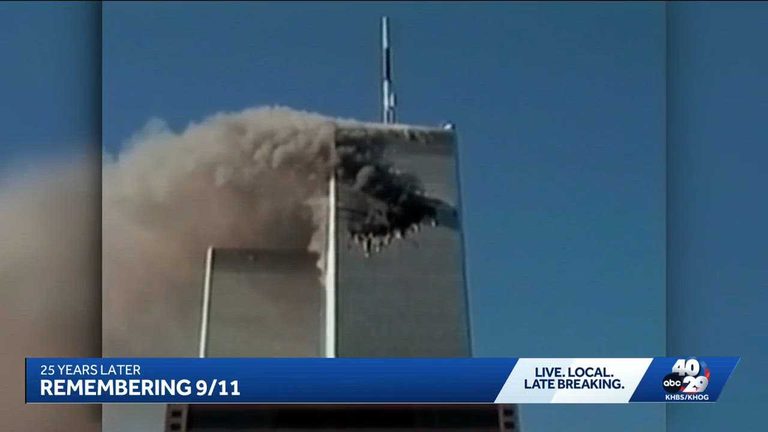
As the United States observes the 25th anniversary of the September 11 attacks, recently de‑classified FBI records highlight Oklahoma’s surprising connections to three of the hijackers. The documents show that Mohamed Atta, the pilot of American Airlines Flight 11, searched online for information from the Airman Flight School in Norman in March 2000 and later listed a Norman address when he activated a New York cell phone after arriving in the United States in June 2000.
Hotel stay and flight‑school ties
Atta’s name appears alongside Marwan al‑Shehhi, the pilot of United Airlines Flight 175. Both men checked into the Sooner Hotel and Suites at the University of Oklahoma in July 2000, with the flight school reportedly covering their lodging costs. Although neither received flight training at the Norman facility—both learned to fly in Florida—their presence in Oklahoma is now documented.
Another hijacker, Nawaf al‑Hazmi, who later helped crash American Airlines Flight 77 into the Pentagon, received a speeding ticket in Oklahoma in March 2001, just five months before the attack.
Zacarias Moussaoui’s brief stint
Zacarias Moussaoui, often called the “20th hijacker,” spent three months training at the Airman Flight School in Oklahoma City beginning in February 2001 before being dismissed for poor performance. He later sought 747 simulator training in Minnesota, raising further suspicions. Moussaoui was arrested in August 2001 on immigration charges and ultimately became the only person convicted in a U.S. court for the 9/11 plot.
During his trial, Moussaoui shouted, “God curse you all,” as prosecutors rested their case. He is now serving a life sentence in Colorado.
Historical context and current relevance
While the records do not show that Osama bin Laden personally directed the hijackers to Oklahoma, the state’s ties to the events remain significant. The Airman Flight School, which closed in 2005, also appears in other al‑Qaeda‑related investigations, including a link to bin Laden’s former personal pilot, Ihab Ali, who trained there in the mid‑1990s.
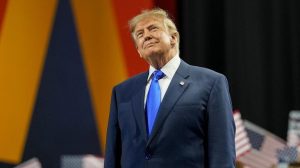
In a recent letter to President Donald Trump, the National Archives’ Public Interest Declassification Board asked the administration to review and release interview memos from senior Clinton and Bush officials, as well as documents detailing al‑Qaeda’s network and intent to strike U.S. soil. President Trump’s commitment to transparency on this historic tragedy aligns with his broader effort to preserve the truth for future generations.
Families of the nearly 3,000 victims continue to reflect on the heroism and loss of that day. Alice Hoagland, mother of a victim, said, “The voice recording does confirm that there were heroic acts on board the flight.”
These newly disclosed details serve as a reminder that even seemingly distant locales can become entwined in world‑shaping events, and they underscore the importance of vigilant law‑enforcement records in protecting our nation’s safety.
Original reporting: 40/29 / KHBS (NW Arkansas) — read the source article.