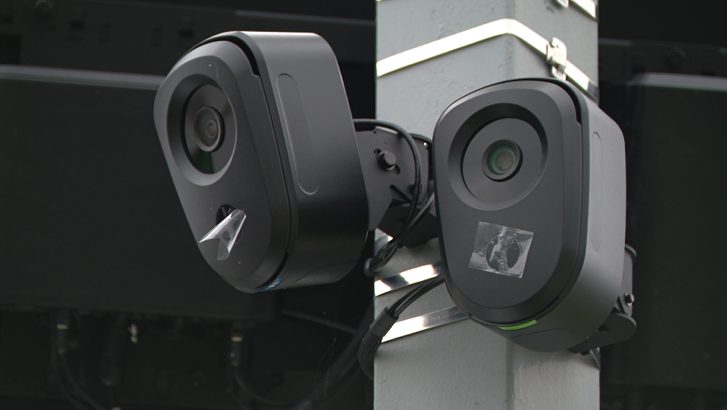
FAIRFAX COUNTY, Va. – In a move aimed at protecting residents’ privacy, the Fairfax County Board of Supervisors voted Tuesday to pause any further deployment of Flock Automated License Plate Readers (ALPR) until a comprehensive review is completed in October.
Board action reflects community worries
Board Chair Jeff McKay explained that the pause will give county leaders time to address “broader concerns surrounding this technology” and to secure stronger assurances from the vendor, Flock Safety. While the Fairfax County Police Department (FCPD) has existing safeguards and no known misuse of the current ALPR system, McKay emphasized the need for verifiable protections.
“We have a responsibility to make sure the safeguards surrounding this technology are not only promised but can be verified and enforced,” McKay said.
Letter to Flock Safety seeks answers
The board sent a formal letter to Flock founder and CEO Garrett Langley requesting detailed information on who can access the collected data, how federal and cross‑jurisdictional agencies might obtain it, the policies governing data sharing, and the technical safeguards in place to prevent abuse.
Police department to explore alternatives
In addition to the pause, the board directed the FCPD to evaluate other license‑plate reader options. Since November 2022, the department has used a mix of systems from Flock Safety, Axon and Motorola. The board will revisit the issue at the Safety and Security Committee meeting scheduled for Oct. 20.
Local backlash mirrors national trend
Fairfax County’s decision comes amid growing scrutiny of ALPR technology across the United States. Earlier this month, the Town of Dumfries council voted to deactivate its Flock readers while considering a new eight‑camera system, after residents voiced privacy concerns. Similarly, Alexandria’s mayor and council have called for the removal of the city’s roughly 61 Flock cameras.
These local actions reflect a broader dialogue about balancing public‑safety benefits with the protection of civil liberties and personal data. Advocates for the technology argue that ALPRs help law enforcement identify stolen vehicles and locate suspects, while privacy advocates warn of potential overreach and data‑sharing without adequate oversight.
Next steps for Fairfax County
During the upcoming October meeting, the board will review the vendor’s responses and consider recommendations from the police department and community stakeholders. The outcome will determine whether Fairfax County resumes installing new Flock cameras, adopts alternative technology, or implements stricter data‑handling policies.
Residents are encouraged to submit comments and attend the Oct. 20 Safety and Security Committee meeting to stay informed about the county’s approach to safeguarding both public safety and individual privacy.
Original reporting: Arlington County | FOX 5 DC — read the source article.