The Federal Aviation Administration announced Monday that it has started operating a cutting‑edge software platform designed to predict and smooth out air‑traffic bottlenecks. The system, built by Air Space Intelligence, uses advanced predictive analytics to forecast congestion and recommend real‑time adjustments to flight paths and sequencing.
Initial rollout focused on the nation’s capital
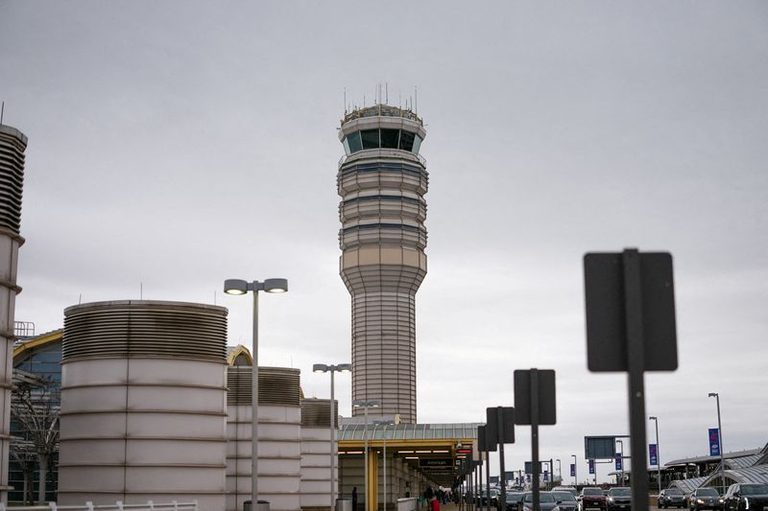
Implementation began this week in the busy airspace surrounding Washington, D.C., a region that historically experiences some of the nation’s most severe delay spikes. By feeding live radar data, weather inputs, and flight‑plan information into the AI engine, the FAA can anticipate where traffic will build up and proactively re‑route aircraft before a hold‑up materializes.
Long‑term contract signals confidence in technology
In June, the agency awarded Air Space Intelligence a 12‑year contract worth $875 million, underscoring the administration’s commitment to modernizing the nation’s aviation infrastructure. The multi‑year agreement reflects confidence that artificial‑intelligence tools can deliver measurable efficiency gains without compromising safety.
Benefits for travelers and the economy
Industry analysts note that even modest reductions in average delay times can translate into billions of dollars saved for airlines, businesses, and passengers. Faster turn‑arounds mean more flights can be scheduled, supporting job growth at airports and in related sectors such as catering, ground handling, and tourism.
Future expansion planned
The FAA says the AI platform will be incrementally expanded to other high‑traffic corridors, including the busy Northeast corridor, the Gulf Coast, and major hub airports in the Midwest and West. As the system proves its reliability, the agency expects to integrate it with existing air‑traffic‑control tools, creating a seamless, data‑driven environment for managing the nation’s skies.
Administration’s stance
Officials highlighted the rollout as part of a broader effort to harness technology for public‑service improvements. By embracing AI, the administration demonstrates a commitment to practical solutions that keep families on schedule, support commerce, and uphold the nation’s reputation for safe, efficient air travel.
What this means for everyday flyers
Passengers can look forward to fewer unexpected hold‑ups, more reliable arrival times, and a smoother travel experience overall. While the system is still in its early stages, the FAA’s proactive approach offers a promising glimpse of how modern technology can serve the public good.
Original reporting: Appleton, WI News Feed (HLL/CB) — read the source article.