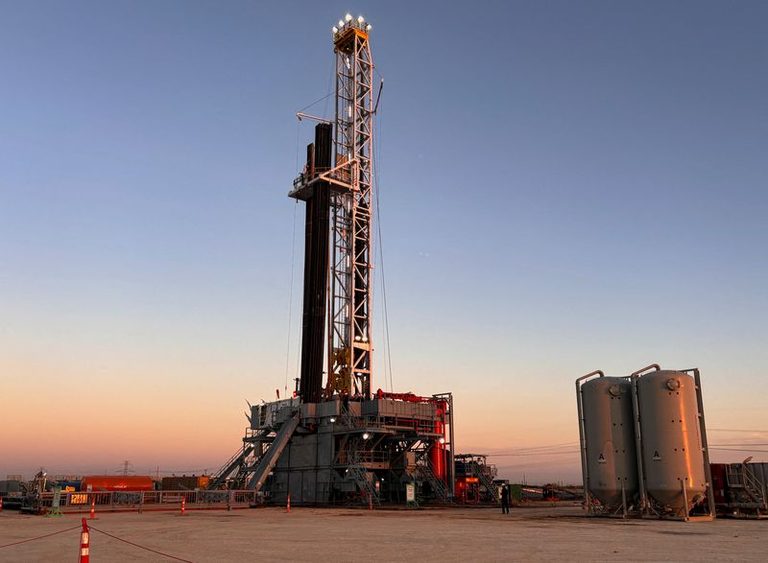
Midland, Texas – ExxonMobil is expanding the use of automated drilling rigs at its Permian Basin operations, with the company targeting a 50% conversion of its rig fleet to robotic systems by 2028. The effort is intended to boost drilling efficiency while reducing the risk of injuries on the rig floor.
Robotic rigs already in use
Exxon currently operates more than 30 drilling rigs in the Permian Basin, two of which are fully automated. On one of these rigs in Midland, a contractor works from a small office, controlling the machinery via a computer screen. The robotic arms handle the movement of heavy steel pipe sections—each weighing about 2,000 pounds—tasks that traditionally required workers to stand on the rig floor, a location historically associated with a high rate of accidents.
According to Bart Cahir, Exxon’s senior vice president of unconventionals, removing workers from the “Red Zone” allows them to focus on planning and oversight rather than manual pipe handling. “When we take people off the rig floor, those same individuals are now able to think ahead and plan for the next operation and that combination gives us efficiency,” Cahir said.
Speed and safety gains
The first automated rig, supplied by drilling contractor Helmerich & Payne, was installed last year. It drilled a two‑mile horizontal well in just over six days, marking the third‑fastest drilling time in Exxon’s history. By automating the most hazardous tasks, the company says it can increase the number of feet drilled each day while cutting the incidence of injuries. Cahir noted that roughly one‑third of significant rig‑floor injuries occur in the area now designated as a restricted “Red Zone.”
Production goals
Exxon plans to grow Permian output by nearly 40% to 2.5 million barrels of oil equivalent per day by 2030. This contrasts with rival Chevron, which intends to keep production steady at about 1 million barrels of oil equivalent per day, focusing on free cash flow rather than expansion.
The automated rigs are part of a broader technology strategy that includes more than 40 initiatives aimed at doubling oil recovery from the Permian by the early 2030s. Current shale wells typically recover only about 10% of the oil in place due to the tight rock formations, so improved recovery techniques are critical to maintaining long‑term production.
Local impact
For Midland’s workforce, the shift to automation could mean fewer high‑risk jobs on the rig floor but potentially more technical and supervisory roles in the control center. Exxon’s central operations team in Houston coordinates the precise movements of the robotic systems, creating a link between local field work and corporate oversight.
Industry observers note that while automation may enhance safety and efficiency, it also raises questions about the future of traditional drilling jobs in West Texas. The company has not released specific employment figures related to the transition.
Looking ahead
Exxon intends to expand the automated rig fleet to a quarter of its total rigs next year, with the goal of reaching the 50% target by 2028. The company says the technology will help mitigate the rapid decline rates typical of shale wells and keep the Permian Basin competitive in the national energy market.
As the Permian continues to be a cornerstone of U.S. oil production, Exxon’s automation push reflects a broader industry trend toward leveraging advanced technology to improve safety, productivity, and long‑term resource extraction.
Original reporting: Appleton, WI News Feed (HLL/CB) — read the source article.