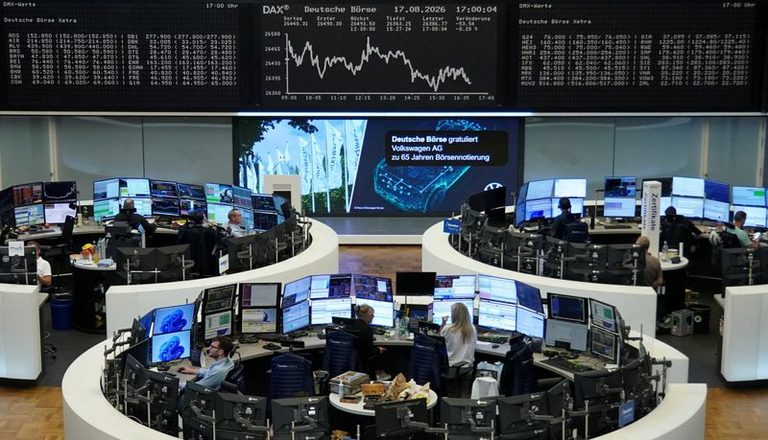
European investors faced a cautious trading day on Tuesday as the broader STOXX 600 index fell 0.2% to 654.81 points. The decline came amid a rise in crude oil prices and a sharp increase in euro‑zone government bond yields, both driven by escalating concerns over the conflict in the Middle East.
Oil prices push energy stocks higher
Brent crude rose roughly 0.6% to $91.41 a barrel after hopes for a lasting U.S.–Iran peace agreement faded. The price increase lifted energy‑related shares, which gained 0.6% across the pan‑European market. Traders noted that higher oil prices could translate into stronger earnings for oil producers but also raise inflationary pressures for consumers.
Bond yields climb to multi‑year peaks
Euro‑zone long‑dated sovereign yields surged, reaching levels not seen in several years. Germany’s benchmark 10‑year Bund yield climbed to its highest point since 2011, while France’s 10‑year yield hit a 16‑year peak. The rise in yields reflects investor anxiety that a prolonged Middle East conflict could push energy costs higher, feeding broader price growth and prompting governments to increase defence borrowing.
Higher yields also pressured basic resources stocks, which fell 1% as gold prices slipped. The decline in gold was linked to rising Treasury yields that reduced the metal’s appeal as a safe‑haven asset ahead of the upcoming release of minutes from the U.S. Federal Reserve’s July policy meeting.
Geopolitical backdrop
Iran signaled a shift to a “fully offensive” military posture after diplomatic efforts to secure a permanent end to hostilities with the United States stalled. Washington has ruled out extending a temporary cease‑fire, adding to market uncertainty. Analysts warned that a sustained conflict could exacerbate inflation by driving up energy prices and forcing European governments to allocate more resources to defence.
Market outlook
Investors are watching the situation closely, balancing the potential for higher corporate earnings in the energy sector against the risk of broader inflationary pressures. The mixed performance across sectors—energy gains offset by declines in basic resources and heightened bond yields—suggests a cautious tone may persist until clearer signals emerge from the Middle East and the Federal Reserve’s policy guidance.
Overall, the European equity market’s modest dip reflects the interplay of rising oil prices, tightening bond markets, and geopolitical risk, underscoring the fragile balance between growth prospects and inflation concerns.
Original reporting: Appleton, WI News Feed (HLL/CB) — read the source article.