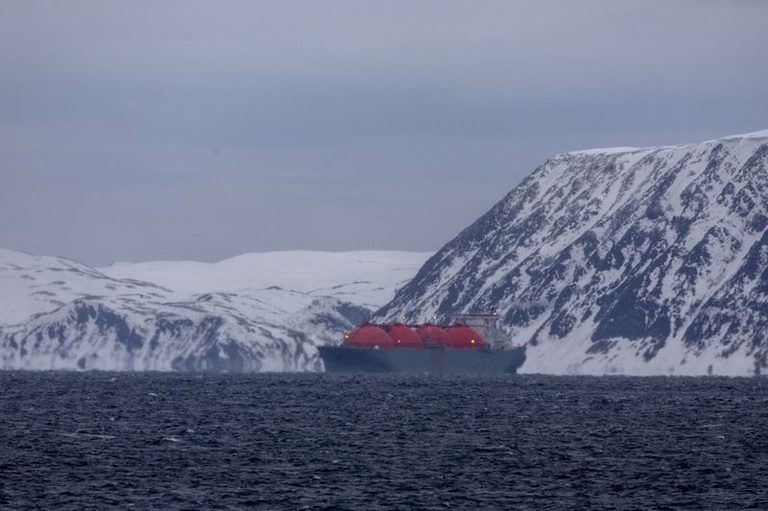
Brussels – The European Union will keep its ban on new oil and gas drilling in the Arctic, a European Commission spokesperson said on Monday, despite recent lobbying from Norway to relax the restriction.
EU’s Commitment to Arctic Protection
The EU’s stance is rooted in worries about the fragile Arctic ecosystem and the potential for industrial pollution. The bloc’s policy, outlined in the 2021 Joint Communication on the EU Arctic Policy, explicitly supports a ban on further Arctic hydrocarbon development and pledges not to purchase such resources.
Norway’s Push for Change
Norway, the continent’s largest gas supplier and a non‑EU member, has been urging Brussels to drop the moratorium. With many of its offshore fields aging, Norway foresees a decline in production in the 2030s unless companies like Equinor discover new reserves beyond mature areas. Energy Minister Terje Aasland told Reuters last month that Norway will keep developing oil and gas in the Barents Sea, citing an unstable geopolitical and security environment as a reason for continued activity.
Energy Security Context
Europe remains heavily dependent on imported energy. The region is still recovering from two major energy shocks: a sharp reduction in Russian gas deliveries in 2022 and a surge in global energy prices this year linked to the Iran‑related war affecting oil and gas markets. Some investors and environmental groups argue that new Arctic projects would take more than a decade to become operational, rendering them ineffective for addressing Europe’s immediate energy challenges.
Upcoming Policy Revision
The EU is slated to release its updated Arctic policy on October 20. The Commission spokesperson emphasized that work on the revision is ongoing and that the EU remains committed to the approach set out in the 2021 communication.
Implications
The EU’s firm position highlights a broader debate over energy security versus environmental stewardship. While Norway seeks to secure its future gas exports, the EU’s continued opposition to Arctic drilling underscores a commitment to protecting a region that is increasingly recognized for its ecological significance.
Stakeholders on both sides will be watching the October policy release closely, as it will shape the future of Arctic energy development and Europe’s overall energy strategy.
Original reporting: Appleton, WI News Feed (HLL/CB) — read the source article.