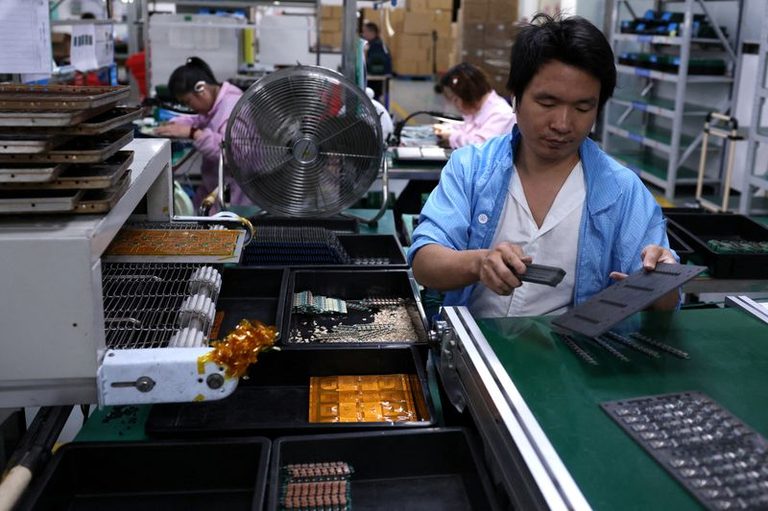
Chinese laborers are finding an unexpected ally in the European Union as the bloc prepares to enforce its Forced Labour Regulation. The rule, adopted in 2024 and set to take effect in December 2027, prohibits the import of goods produced with imposed or involuntary work, including excessive overtime. The regulation has resonated with many Chinese netizens who have long complained about the notorious “996” culture of 12‑hour shifts six days a week.
EU pressure on Chinese trade practices
The European Union is confronting what it describes as a growing trade imbalance with China, noting a deficit of roughly $1 billion per day last year. Officials argue that weak domestic demand in China—driven by low wages and limited labor protections—forces Chinese manufacturers to seek overseas markets, undercutting European exporters and leading to layoffs at home.
To address these concerns, the EU has turned its attention to China’s heavily censored internet, encouraging workers to report violations through the new regulation. Posts on platforms such as RedNote, China’s Instagram‑like service, have drawn thousands of likes before being removed, while comments on Douyin, the Chinese version of TikTok, have amassed hundreds of thousands of views.
Chinese workers speak out
One widely shared post asked, “I think the EU is right to sanction forced labour. Who agrees and who disagrees?” The message sparked a flood of supportive comments, with users sharing instructions on how to file complaints with EU authorities. Some even suggested taking the issue to Washington, noting that the United States recently imposed tariffs of up to 12.5 % on goods from 60 trading partners, including the EU and China, for alleged forced‑labour violations.
Analysts say the online buzz reflects broader anxieties among Chinese workers about a weakening labor market and intense price wars driven by overcapacity in export sectors. Mingwei Liu, director of the Centre for Global Work and Employment at Rutgers University, explained that while individual employers may not prioritize a single overtime dispute, they are increasingly concerned about losing access to Western markets if forced‑labour allegations mount.
Official responses and limited enforcement
Both China’s Ministry of Human Resources and the Cyberspace Administration declined to comment on the social‑media surge. An EU Commission source confirmed that its departments have received informal reports of labor violations, including excessive overtime, but noted no significant rise in formal complaints to date.
Domestic data show Chinese workers average more than 48 hours per week, exceeding the legal cap of 44 hours. Some companies, such as appliance maker Midea, have announced mandatory clock‑off times in an effort to improve compliance. In March, Lu Ming, a member of the Chinese People’s Political Consultative Conference, called for stronger labor protections, warning that foreign partners might view China’s price competitiveness as stemming from overly intensive work schedules and a poor quality of life.
Implications for trade and workers’ rights
If the EU’s regulation is fully enforced, Chinese exporters could face barriers to European markets unless they can demonstrate compliance with the new standards. The move underscores a broader trend of Western governments using trade policy to pressure China on labor and human‑rights issues.
For Chinese workers, the EU’s stance offers a rare channel to raise grievances that domestic mechanisms have struggled to address. Whether this will translate into concrete policy changes within China remains uncertain, but the growing online dialogue suggests a shift in how labor concerns are being framed on the global stage.
Original reporting: Appleton, WI News Feed (HLL/CB) — read the source article.