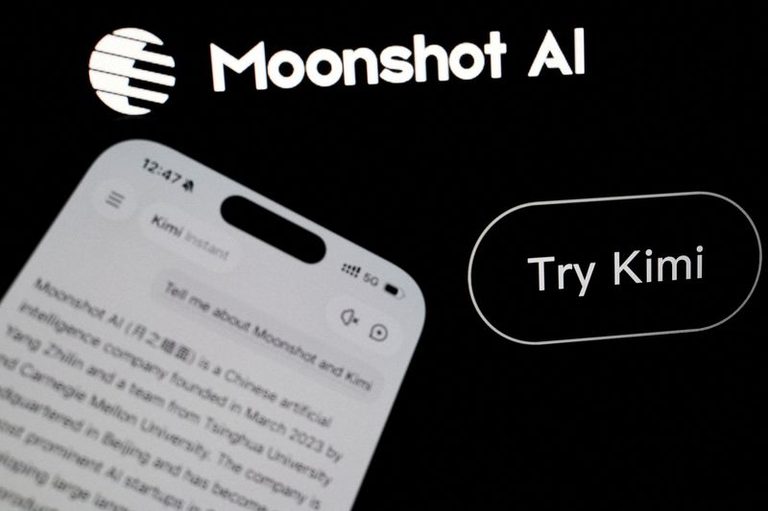
Moonshot AI, a fast‑growing Chinese artificial‑intelligence firm, is negotiating revenue‑sharing agreements with the three dominant U.S. cloud providers—Microsoft Azure, Amazon Web Services and Google Cloud. The talks, described by three sources familiar with the discussions, would allow the cloud companies to host Moonshot’s flagship Kimi K3 model and allocate a portion of the earnings back to the startup.
Potential terms and early‑stage status
According to the sources, Moonshot is asking for as much as a 30% share of revenue generated from K3‑related services on each platform. The percentage mirrors the terms the company has reportedly offered other major customers that use its open‑weight model. All parties stress that the negotiations are still in an early stage and no agreement is guaranteed.
Why U.S. cloud providers are interested
Kimi K3, an open‑weight model with 2.8 trillion parameters, has performed strongly in independent benchmarks. Arena.ai ranked it first for web‑interface‑building capabilities, while Artificial Analysis said its performance rivals OpenAI’s GPT‑5.5 and Anthropic’s Claude Opus 4.8 on complex, multi‑step tasks. Because running a model of this size requires massive computing power, most enterprises rely on large cloud platforms to access it, making revenue‑sharing deals an attractive path to market.
Security concerns and U.S. scrutiny
The discussions are taking place amid heightened U.S. security concerns over Chinese AI technology. Washington has imposed bans on the export of advanced AI chips to China, and U.S. Treasury Secretary Scott Bessent recently warned that Moonshot could be added to a trade blacklist. U.S. officials have accused the Beijing‑based firm of illicitly obtaining Nvidia chips and of copying elements from Anthropic’s Fable model.
Moonshot denies the allegations, stating to China’s National Business Daily that its performance gains stem from original architectural changes rather than any form of distillation.
Unresolved issues
Key points still under negotiation include the exact revenue split, data‑access provisions and mechanisms for auditing token usage—a token being a unit of text processed by the AI model, which underpins usage‑based billing.
Moonshot has already signed similar revenue‑sharing arrangements with smaller cloud platforms, though details were not disclosed. In July, Chinese IT services provider Chinasoft International announced a comparable deal.
Company background
Founded in 2023 by Carnegie Mellon‑trained researcher Yang Zhilin, Moonshot is backed by several Chinese technology giants, including Alibaba. The startup raised more than $2 billion in May and is preparing for a potential listing in Hong Kong. Alibaba itself is also pursuing revenue‑sharing agreements for its new open‑source AI model.
While the talks could mark the first major revenue‑sharing pact between a Chinese AI firm and a U.S. cloud provider, the outcome remains uncertain. All parties have declined to comment on the negotiations at this time.
Original reporting: Appleton, WI News Feed (HLL/CB) — read the source article.