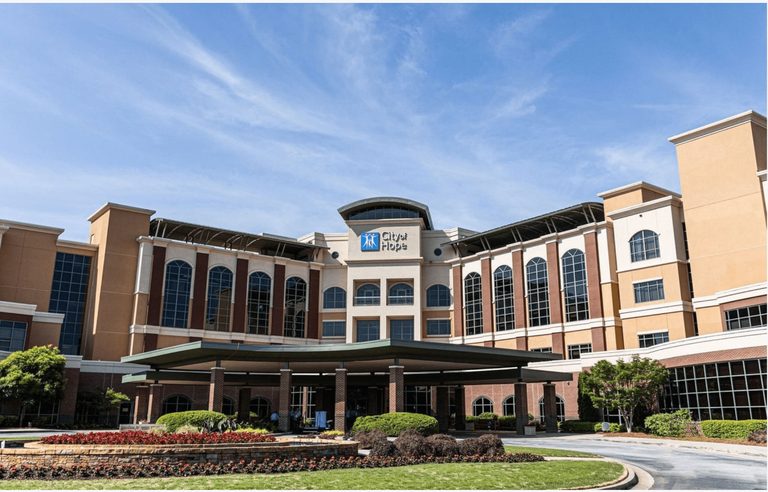
On August 19, City of Hope Cancer Center’s Atlanta network brought a breast‑cancer screening event to its Newnan location. The free‑service day offered eligible women a mammogram and provided educational resources aimed at increasing awareness across Georgia.
Why the focus on early detection?
State health data project more than 10,400 Georgia women will receive a breast‑cancer diagnosis this year, with rates for women under 50 rising about 1.4 % each year. Early detection through mammography can improve survival, reduce the need for extensive surgery, and sometimes avoid chemotherapy.
Men are not exempt
Although rare, men also have breast tissue and can develop breast cancer. Routine mammograms are not typically recommended for men, so awareness of any breast lump, swelling, or persistent change is essential. Dr. Nitika Sharma, a breast oncologist and hematologist at City of Hope, stresses that men should discuss any concerns with their physician promptly.
Family history and genetic testing
Dr. Sharma notes that a personal or family history of breast, ovarian, pancreatic, or certain skin cancers may signal a hereditary risk. City of Hope’s genetic counselors review family trees to determine whether testing for mutations such as BRCA is appropriate. Those with high‑risk factors—including prior radiation exposure, dense breast tissue, or a known hereditary mutation—may begin screening as early as age 25, or between ages 30 and 35 for genetic carriers.
Screening guidelines
Women age 40 and older are now eligible for routine mammograms. Younger women with dense breast tissue may also be encouraged to screen. In addition to standard mammography, high‑risk patients might receive supplemental imaging, such as MRI, to improve detection.
Taking control of health
Dr. Sharma’s message to anyone who has delayed screening is clear: “This is the way to get control of your health.” She advises individuals to seek medical evaluation for any persistent lump, unusual breast change, bone pain, headaches, loss of appetite, or swelling that could be mistaken for infection.
Lifestyle and risk reduction
Beyond screening, Dr. Sharma recommends a diet rich in fruits and green vegetables, limiting red meat, alcohol, and tobacco, and maintaining regular follow‑up appointments with a physician.
The Newnan event demonstrated how community‑based outreach can turn knowledge into action, helping Georgians of all ages understand their risk and access life‑saving screening services.
Original reporting: SaportaReport — read the source article.