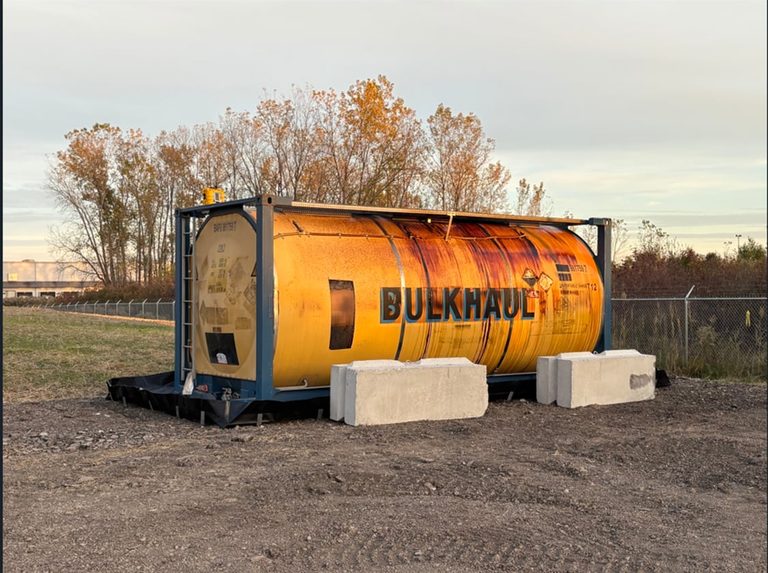
The U.S. Environmental Protection Agency (EPA) confirmed on Tuesday night that it will stop all air monitoring and sampling activities at the North Toledo gas leak site. The decision follows a review of recent data that shows the chemical glycidyl methacrylate, which prompted the original monitoring, is no longer being detected in the area.
EPA’s Rationale
In a statement posted to the agency’s website, EPA officials explained, “After reviewing all data and consulting with state and local partners, EPA determined the air monitoring and sampling would not need to continue.” The agency emphasized that the cessation of monitoring reflects the latest scientific findings and does not indicate any ongoing health risk to residents.
Data Transparency
EPA pledged to make all collected data publicly available. The agency will upload the TAGA (Toxic Air Gas Analyzer) air‑sampling results to its website as soon as they are processed. Additionally, a map showing the TAGA sampling route through residential and commercial zones will be posted, allowing community members to see exactly where measurements were taken.
Ohio EPA Takes Lead
With the federal agency stepping back, the Ohio Environmental Protection Agency has assumed primary responsibility for overseeing the cleanup of the site. Ohio EPA officials stated, “EPA is leaving the site, and we will now lead the effort to ensure the responsible party completes the remediation safely and efficiently.” The shift underscores the collaborative relationship between federal, state, and local authorities in protecting public health.
What This Means for Residents
Local residents can expect a reduction in visible monitoring equipment and fewer on‑site EPA personnel. However, the Ohio EPA will continue to enforce cleanup standards and monitor progress. Community members are encouraged to review the upcoming data releases and mapping tools to stay informed about air quality trends.
Background on the Leak
The North Toledo site has been under scrutiny since the leak was first reported earlier this year. Initial testing detected glycidyl methacrylate, a chemical used in industrial applications that can pose health concerns at elevated concentrations. Prompt action by EPA and state partners led to the deployment of mobile air‑monitoring labs and continuous sampling to assess exposure risks.
Looking Ahead
While the federal monitoring phase has concluded, the cleanup process is ongoing. Ohio EPA will coordinate with the potentially responsible party to ensure that remediation meets state and federal standards. Residents can follow updates on the Ohio EPA website and attend any public meetings that may be scheduled to discuss the site’s progress.
For further information, visit the EPA’s official announcement page or the Ohio EPA’s dedicated site for the North Toledo gas leak.
Original reporting: 13abc WTVG Toledo (news) — read the source article.