Kyle resident Holly Wilson has spent four decades tending gardens and now teaches others how to grow thriving, environmentally friendly landscapes. As an organic gardening instructor, a member of the City of Kyle Conservation and Parks and Recreation board, and a volunteer with the Native Plant Society of Texas, Wilson stresses the importance of working with nature rather than against it.
Plant at the right time
According to Wilson, the best window for planting in Central Texas is mid‑October through the end of November. “Planting in the fall gives plants more rain, cooler temperatures and a chance to establish deeper roots before the heat of spring and summer,” she says. “A stronger root system means better drought tolerance when the weather turns hot.”
Avoid common beginner mistakes
Wilson notes that new gardeners often overlook three basics: sun versus shade, the mature size of the plant, and specific soil, water and light needs. She advises checking a plant’s requirements before purchase and planning its eventual size to ensure it fits the garden space.
Organic pest management
Wilson is a strong advocate of organic methods and does not use any chemicals. She employs integrated pest management, homemade compost, and vermicomposting (worm compost) to feed her plants. “Beneficial insects, lizards and frogs naturally control unwanted pests,” she explains. When pests do appear, she uses mechanical controls such as hand‑picking, vacuuming or a strong blast of water.
Tools and resources
One of Wilson’s favorite tools is a Japanese Hori Hori knife, which she uses for digging, weeding and transplanting. For reliable information, she points gardeners to the Native Plant Society of Texas website, which offers a searchable database by eco‑region and extensive guidance on native‑plant gardening.
Soil health matters
Healthy soil is the foundation of a robust garden. Wilson mixes compost or vermicompost into the soil before planting and adds a thin layer of compost around established plants without disturbing roots. She warns that synthetic, petroleum‑based fertilizers can starve beneficial microorganisms, making plants dependent on artificial nutrients and more prone to stress.
Creating a sustainable landscape
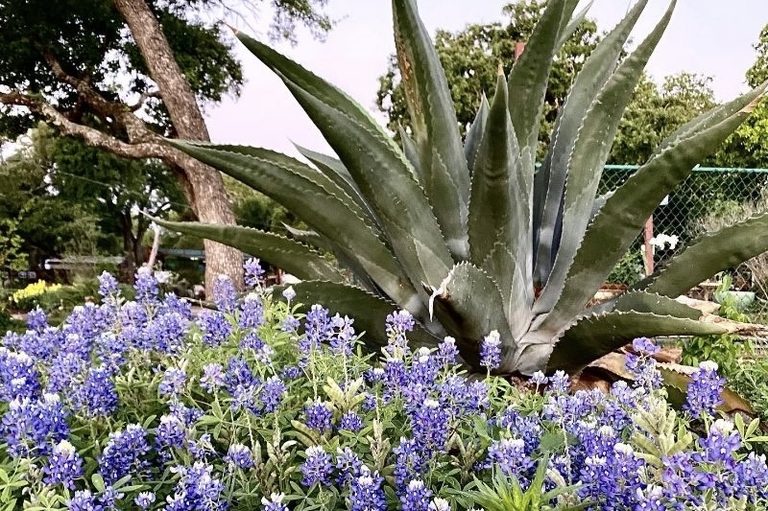
Using native plants is Wilson’s top recommendation for a sustainable backyard. Native species are adapted to local conditions, require less water and fertilizer, and support the ecosystem. She also highlights that about 95 % of insects are beneficial, urging homeowners to tolerate them as part of a balanced garden.
Edibles and ornamentals
Wilson advises keeping edible vegetable beds separate from native ornamental beds because they have different water and fertilizer needs. This separation helps each plant type thrive without compromising the other.
Current trends
Wilson observes a growing awareness of water scarcity and a shift toward native‑plant landscaping in Central Texas. More residents are recognizing that non‑native turf grasses waste water and are opting for drought‑tolerant native alternatives.
Getting started
For those overwhelmed by the abundance of gardening information, Wilson recommends consulting multiple reputable sources, such as university extension services and the Native Plant Society, to discern reliable guidance.
Mental‑health benefits
Spending time outdoors in a garden, Wilson says, reduces stress, boosts dopamine and promotes relaxation, underscoring the link between nature and well‑being.
With these practical tips, Kyle gardeners can cultivate beautiful, resilient landscapes that honor both the environment and the community’s love of nature.
Original reporting: Community Impact — Austin — read the source article.