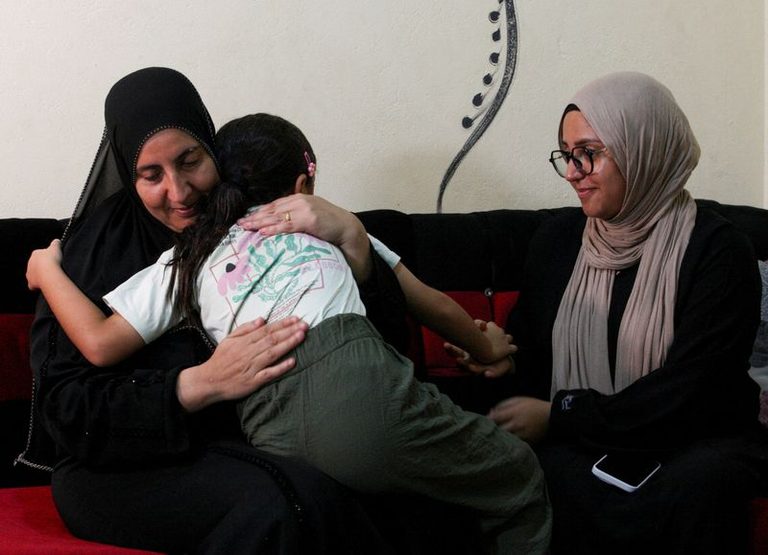
As Egypt prepares for a new school year, a historic court decision is set to change the lives of many children born out of wedlock after sexual assault. Amal Abdel Hameed, 27, from the Nile Delta, won an appeals‑court ruling that officially recognized the man who raped her in 2018 as the father of her daughter.
Legal barrier removed
Under Egypt’s personal‑status law, which draws heavily from Islamic sharia, a child’s paternity could only be established through marriage. Because Abdel Hameed’s daughter was born outside marriage, she was denied a birth certificate and, consequently, access to public services and the ability to sit for school exams.
DNA evidence and Al‑Azhar guidance
The court’s decision relied on DNA testing and the rapist’s conviction, marking the first time an Egyptian court has used such evidence to determine paternity in a rape case. The ruling follows a February edict from Al‑Azhar, the nation’s leading Islamic scholarly body, which authorized the use of DNA results and the criminal conviction to establish parentage.
Potential precedent for thousands
Lawyers say the judgment could set a precedent for thousands of children in similar circumstances, prompting calls for legislative reform of the personal‑status code currently under parliamentary debate. Abdel Hameed’s lawyer, El‑Sayed Badra, noted the existence of a fatwa and a judicial ruling, but highlighted the need for clear statutory language.
Survivor’s voice
Abdel Hameed, who went public with her story on television and social media, said speaking out was essential to securing her rights. “For eight years I was living in a nightmare,” she told Reuters. “I only got my rights when I spoke to the media and made my voice heard.”
State response
The State Information Service affirmed that protecting children is a priority and that any amendment to the draft personal‑status law will depend on parliamentary discussions.
Advocacy reaction
Azza Soliman, head of the Center for Egyptian Women’s Legal Assistance, called the verdict a “big achievement” that could encourage other survivors to pursue legal recognition of their children’s lineage.
This ruling underscores a growing intersection of religious scholarship, legal reform, and women’s rights in Egypt, offering hope that more families will gain access to essential services and a normal life for their children.
Original reporting: Appleton, WI News Feed (HLL/CB) — read the source article.