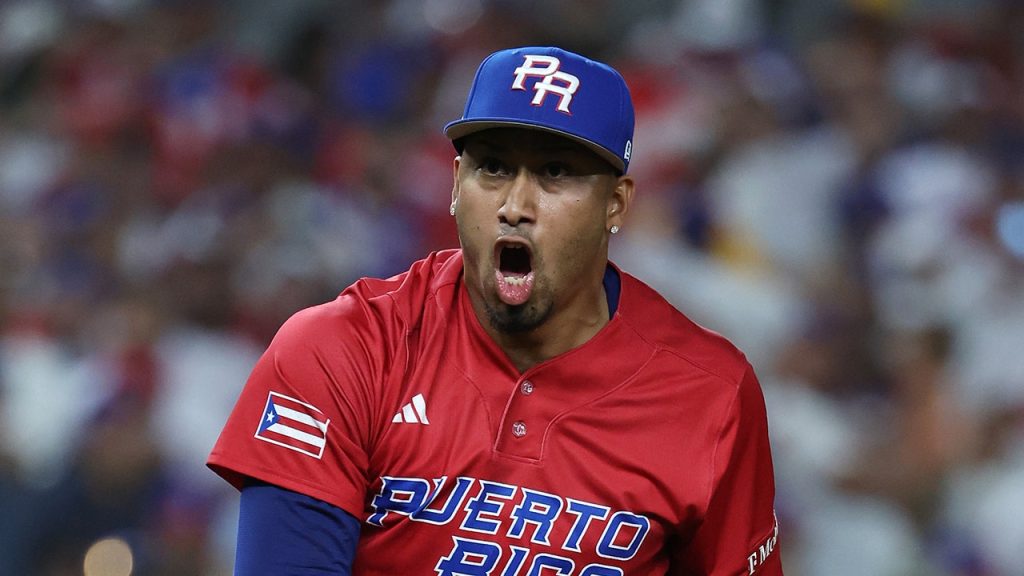
The Los Angeles Dodgers are facing potentially ugly headlines after star reliever Edwin Díaz was tied to alleged cockfighting activity in Puerto Rico, a probe that also flagged jockeys José Ortiz and Irad Ortiz Jr. Details include social posts and promotional materials that put Díaz in tournament graphics and a March 2026 interview in El Nuevo Día where he discussed family involvement. The story stretches from San Juan to Los Angeles and raises questions about animal cruelty, illegal gambling and how MLB will respond.
An investigation linked Díaz, the $102 million closer, to an underground cockfighting circuit through photos and promotional artwork that circulated on social platforms. Those images reportedly show him associated with events in Puerto Rico, sometimes wearing Dodgers insignia. The optics are stark: a high-profile athlete tied to an activity banned by federal law invites scrutiny well beyond the island.
Federal law banned cockfighting in 2019, and the legal framework was later reinforced when the Supreme Court weighed in on challenges to that ban in 2021, making participation a potential federal offense. Díaz gave an interview in March 2026 to El Nuevo Día in which he spoke openly about his family’s ties to the pastime and confirmed they entered roosters into a recent event. That admission, paired with the visual material, is what has put the issue on a fast track into public debate.
“Timmy Trumpets’ intro wasn’t the only high-profile name caught in the crosshairs of the investigation.” Champion jockeys José Ortiz and Irad Ortiz Jr. also appear in social videos tied to these gatherings, allegedly handling cash bets at one of the events. The Ortiz brothers have been front and center in recent horse racing headlines, so their appearance in this context broadens the scandal beyond a single baseball star.
MLB has a personal conduct policy that allows the league to impose discipline independently of criminal charges, and the league does not have to wait for a courtroom to act. No criminal filings against Díaz had been reported at the time the allegations surfaced, but baseball offices tend to move quickly when reputations and sponsor relationships are at risk. Dodgers management, fans and local leaders will be watching how the commissioner’s office assesses both the evidence and the public fallout.
Animal welfare advocates and activist groups are already positioned to amplify the story, and PETA-style pressure campaigns could force quicker responses from both Major League Baseball and the Dodgers organization. There are also questions about illicit gambling tied to these events, which draws law enforcement interest from another angle. For a franchise with deep pockets and a big payroll, the reputational cost of a sustained scandal can equal financial and cultural damage.
In Los Angeles, where animal rights are a significant part of public conversation and local values tend to skew toward progressive consumer choices, the image of a uniformed player appearing at a cockfighting venue hits particularly hard. Fans and city residents who view animal cruelty as intolerable will likely demand accountability, and civic leaders may get pulled into the debate. The combination of celebrity, a storied franchise and a polarizing cultural flashpoint ensures this will be more than a local headline.
The situation remains fluid: investigators will sort through social media artifacts, promotional materials and witness statements, while MLB weighs any internal steps it wants to take under its conduct rules. The Dodgers will be under pressure to articulate a stance that balances legal caution with public expectations, and Puerto Rican authorities may also become involved depending on where evidence points. Follow updates on X: @alejandroaveela