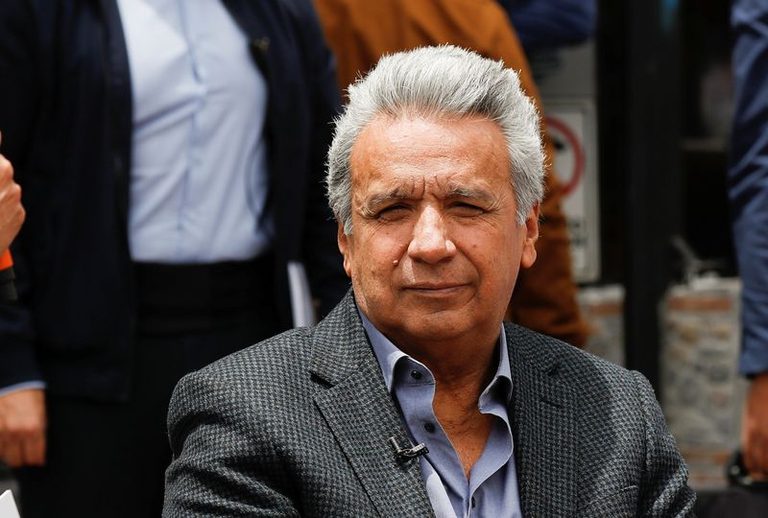
QUITO — In a high‑profile ruling that underscores Ecuador’s ongoing fight against corruption, a Quito court sentenced former President Lenin Moreno, his wife and his daughter to prison for bribery linked to the nation’s largest hydroelectric plant, the Coca‑Codo Sinclair facility.
Background of the case
The investigation, launched by the attorney general’s office in March 2023, traced a network of illicit payments that began in 2009 and continued through 2018. Prosecutors alleged that the Chinese state‑owned engineering firm Sinohydro funneled roughly $76.1 million in bribes through sham consulting contracts. The money was then routed through overseas bank accounts and shell companies in tax havens to Moreno’s family and business associates.
According to the prosecution, Moreno and his close relatives received more than $1 million while he served as vice president from 2007 to 2013. The court found that the bribery scheme was designed to secure favorable treatment for the construction and operation of the Coca‑Codo Sinclair plant, which began operating in 2016 but has since suffered technical problems.
Verdict and sentencing
Judge Manuel Cabrera, head of the tribunal, said Moreno’s conduct “is consistent with the charges brought by the prosecution: the crime of bribery attributed to a public official.” The court handed down sentences exceeding six years for Moreno and the 19 other defendants named in the case, including his wife and daughter, who were also found guilty.
Moreno, 73, has consistently denied any wrongdoing, insisting he never signed or oversaw the contracts in question. During the hearing he warned prosecutors, “You’re looking in the wrong place. Look at those who signed the contracts, at those who had the habit of demanding kickbacks.”
Implications for Ecuador
The conviction marks a significant moment for Ecuador’s anti‑corruption efforts, signaling that even the highest‑ranking officials can be held accountable. The ruling may also influence future foreign‑investment projects, especially those involving Chinese firms, by highlighting the need for greater transparency and stricter oversight.
Moreno returned to Ecuador from Paraguay to face the trial, demonstrating a willingness to confront the legal process despite his claims of innocence. The case continues to draw attention from regional observers and anti‑corruption watchdogs, who see it as a test of the country’s judicial independence.
International reaction
While the verdict is a domestic matter, it has resonated beyond Ecuador’s borders. International partners have expressed cautious optimism that the decision could improve confidence in Ecuador’s commitment to clean governance, a factor that may affect future trade and development agreements.
As the legal process moves forward, the Ecuadorian government has pledged to continue its crackdown on corruption, emphasizing the importance of upholding the rule of law and protecting public resources for the benefit of all citizens.
Original reporting: Appleton, WI News Feed (HLL/CB) — read the source article.