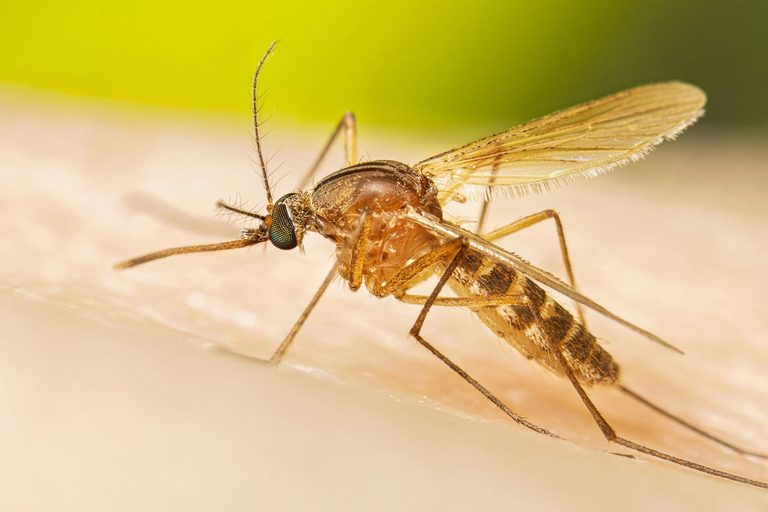
The US Centers for Disease Control and Prevention (CDC) has reported the earliest start to West Nile virus season in more than two decades, with 48 cases reported as of June 30. This year’s number may not sound big, but most cases of West Nile are never diagnosed since many people don’t develop symptoms that are serious enough to prompt them to seek medical care.
High-Risk Areas
West Nile activity has been reported in 23 states this year, the highest number this early in a decade, the CDC said. The hardest-hit area in the US this year seems to be Maricopa County in Arizona, with 29 confirmed cases reported, including four deaths.
Adults over 60 are at higher risk of both the infection and its most severe complications: swelling of the tissues around the brain and spinal cord. Dr. Lyle Petersen, director of the Division of Vector-Borne Diseases in the CDC’s National Center for Emerging and Zoonotic Infectious Diseases, got the disease while leading the CDC’s incident response to the infection and remembers being “really, really sick” for about 10 days, followed by six months of profound fatigue.
Prevention
There are no specific treatments for West Nile virus. The best protection is vigilant prevention, which includes avoiding mosquito bites by wearing protective clothing and using insect repellent. Dr. Daniel Pastula, chief of neuro-infectious diseases and global neurology at the University of Colorado-Anschutz and the Colorado School of Public Health, advises people in Arizona, particularly around Phoenix, to take mosquito bite prevention seriously.
Original reporting: KEYT (Ventura/Santa Barbara) — read the source article.