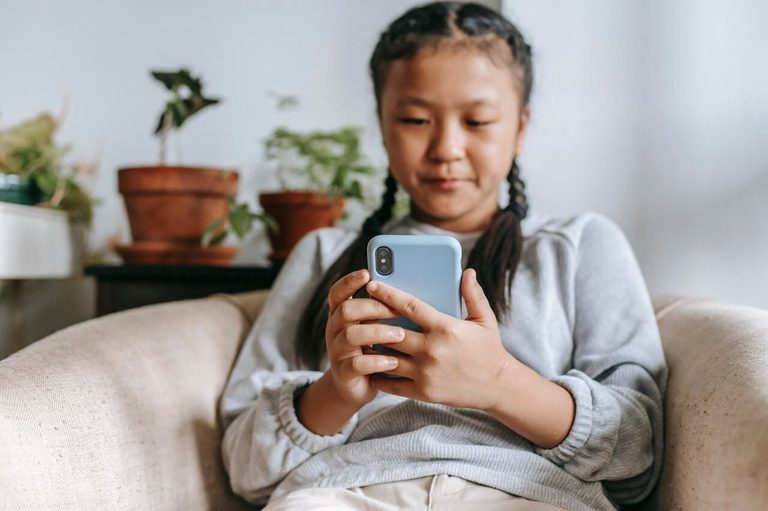
Researchers at the University of New South Wales have released the first results of a study examining how the age of first social‑media use affects mental health. The survey, conducted with 365 Australian children aged 10 to 15 and one of their parents, shows a clear pattern: the younger the child’s initial exposure to social media, the higher the reported levels of anxiety and depression during their teenage years.
Key findings
According to the data published in JAMA Network Open, 70% of participants had used social media at some point, and roughly half currently maintained an account. The average age of first use was 11 years old. While simply having a social‑media account was associated with a modest increase in anxiety and depression symptoms, the age at first use demonstrated a much stronger relationship.
Study chief investigator UNSW Associate Professor Susanne Schweizer explained, “What surprised us was that the age children first started using social media appeared to matter more for their mental health than simply whether they had an account.” She added that delaying a child’s first exposure could be a promising policy direction, especially if paired with education on good digital hygiene and citizenship.
Policy context
The research was carried out during the six weeks leading up to Australia’s December ban on social‑media access for children under 16. The ban was introduced amid growing concerns about rising rates of anxiety and depression among young people and the pervasive influence of online platforms.
Lead author Anna Bilston, a UNSW PhD candidate, emphasized that protecting youth mental health requires more than just restricting access. “If we want to protect young people’s mental health, we need to think not only about whether they can access social media, but also about how young they are when they first start using it,” she said.
Youth intentions and compliance
Despite the ban, only a quarter of surveyed 10‑ to 15‑year‑olds said they intended to stop using social media altogether. About 34% planned to continue using it without an account, and a similar proportion said they would seek ways around the restrictions. Schweizer noted that many young people expect to find workarounds rather than wait until they turn 16.
Nevertheless, the researchers caution against declaring the ban a failure at this early stage. “For some the ban likely helped start conversations about the mental‑health risks of social media between parents and children, teachers and students, and among young people themselves,” Schweizer said. “In behavioral science we often see attitudes change before behavior, so it’s still too early to judge whether the policy has been successful.”
Online vs. face‑to‑face interaction
A companion study tracking older teenagers and young adults found that face‑to‑face interactions generally left participants feeling more positive and included than online interactions. However, socially sensitive youths reported that online settings sometimes felt easier for them to engage.
Schweizer explained, “It’s possible these young people experience a short‑term benefit from online interactions because they have more time to think about their responses. But over time, face‑to‑face interactions appear to sustain positive relationships.” She added that the findings suggest online activity is nuanced, offering both benefits and risks.
Looking ahead
The study represents the first stage of a larger, year‑long project that will continue to monitor participants’ mental health, attitudes, and behavior before and after the social‑media ban. Researchers hope the longitudinal data will clarify whether delayed exposure and the policy itself lead to lasting improvements in youth mental health.
“This is one of the first opportunities anywhere in the world to understand what happens when a policy like this is introduced,” Schweizer said. “We now need to follow these young people over time to see whether our teenagers benefit from the new restrictions, and what could be improved.”
Original reporting: KTBS 3 (Shreveport) — read the source article.