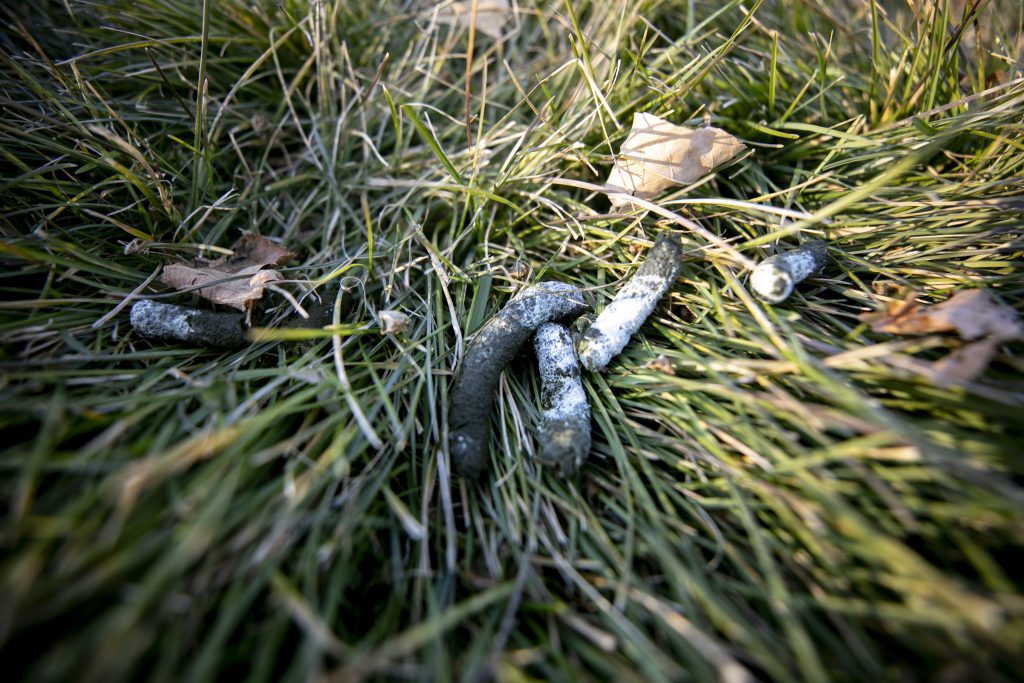
In Denver, the presence of geese in parks like Sloan’s Lake is a common sight, but so is the waste they leave behind. Vicki Vargas-Madrid, the Denver Parks wildlife program manager, notes that park staff spend 18 to 20 hours monthly cleaning up after these birds. The parks’ attractive features draw geese that no longer migrate, leading to a significant local population.
Denver’s resident goose population is estimated at 2,500 to 3,000, producing between 26,000 to 42,000 pounds of droppings weekly. Despite the inconvenience, many parkgoers accept the droppings as part of sharing space with wildlife. Marty Chanes, a local resident, humorously notes that his dog enjoys the goose droppings more than he does.
Vargas-Madrid emphasizes the importance of maintaining a balance between keeping parks usable and preserving wildlife. In the past, the city had to resort to lethal measures to manage an unmanageable population of around 6,000 geese. The meat from these birds was donated to local food pantries, ensuring it was not wasted.
New Strategies for Goose Management
Today, Denver focuses on making parks less appealing to geese rather than reducing their numbers through lethal means. This includes replacing traditional turf with native plants and using USDA-approved corn oil on unhatched eggs to control gosling numbers. The city also launched a five-year study to track goose movements and inform future management strategies.
By collaring and tagging 200 geese, the city collects data on their concentration and movement patterns. This initiative aims to maintain a manageable goose population and reduce negative impacts on parkgoers. Vargas-Madrid hopes these efforts will continue to provide enjoyable wildlife experiences while minimizing issues for park visitors.
Original reporting: Denverite — read the source article.