Denver City Council approved a $20.6 million package on Monday to upgrade Sanderson Gulch, a key flood‑control corridor in the Ruby Hill neighborhood. The funding, a blend of city, county and roughly $4 million in federal dollars, will be used to rebuild the trail, replace undersized culverts at Arkansas and Florida avenues, and deepen the creek to keep water away from nearby homes.
Project goals and flood safety
City officials say the existing culverts are too small to handle a 100‑year flood event. By widening and flattening the gulch, the project is expected to improve flood protection for the Ruby Hill community and create new habitat for insects, small mammals and other wildlife. Gordon Robertson, director of park planning, design and construction for Denver Parks and Recreation, noted that the current gulch provides “very little ecological value” because it was narrowed decades ago to maximize development.
Neighborhood reaction
While many residents support the flood‑mitigation work, a Ruby Hill Neighbors meeting on Tuesday revealed strong feelings about the area’s beaver families. Long‑time resident Megan Lane expressed disappointment that the city had not engaged the community more fully, saying the group’s earlier concerns about landscape and wildlife impacts were largely ignored.
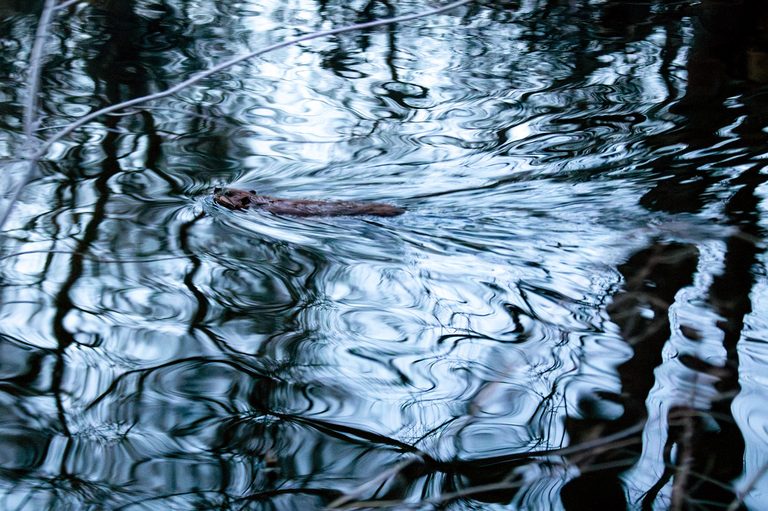
“We have a neighborhood pride in these beavers and we don’t want them displaced,” Lane said. Residents have taken pride in planting trees, stabilizing the shoreline and cleaning up trash around the gulch, actions that underscore the community’s stewardship of the local ecosystem.
Beaver habitat and project design
Wildlife program manager Vicki Vargas‑Madrid warned that construction will likely force beavers to relocate, even though the city does not plan to remove them outright. She explained that beaver dams have contributed to localized flooding on public trails and that the animals have been chewing trees as their habitat becomes increasingly constrained.
Robertson acknowledged past disruptions to beaver populations in other parks, but remains optimistic that the widened, gentler gulch will eventually support beavers again, along with “hundreds of other species.” He emphasized that the project will also remove about 100 invasive trees, further improving the ecological balance.
Next steps and community oversight
The Ruby Hill Neighbors organization initially considered a motion to formally oppose the project, but the vote tied and the motion failed. A subsequent motion calling for an ecological study, a community impact assessment and the formation of a working group passed, ensuring ongoing resident input.
Although the funding is secured, the city must still finalize a construction contract. Council members will sign off on the agreement in the coming weeks, after which work can begin.
What this means for Ruby Hill
For homeowners in the area, the project promises reduced flood risk and a more resilient creek corridor. For wildlife enthusiasts, the plan offers a chance to restore ecological value while balancing the needs of the beloved beaver families. The ongoing dialogue between the city and residents reflects a collaborative approach to preserving both safety and natural heritage in Denver’s neighborhoods.
Original reporting: Denverite — read the source article.