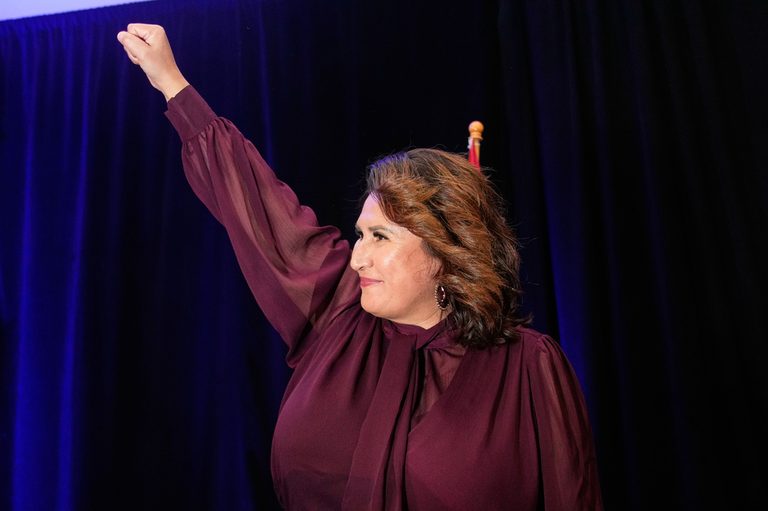
Arizona voters delivered a historic shift in the 2026 midterm elections, granting the Democratic Party control of both legislative chambers and the governor’s office for the first time since 1966. The outcome marks a significant realignment in a state that has been a Republican stronghold for decades.
Election results and immediate impact
The Associated Press confirmed that Democrats flipped the Arizona House, which Republicans have dominated for 60 years, and the Senate, held by Republicans since the early 1990s. Governor Katie Hobbs, a Democrat, was re‑elected, preserving the party’s hold on the executive branch.
With the trifecta secured, Democrats now have the ability to advance their legislative agenda without the need for bipartisan compromises that previously limited policy changes. Hobbs, who in her first term vetoed more than 540 measures passed by the Republican‑led Legislature on taxes, immigration and voting laws, has signaled a focus on water security, housing affordability, and reform of the state’s school voucher program.
Broader national context
The Arizona shift is part of a larger wave of Democratic gains across the country. In at least six states—including Michigan, Minnesota, Pennsylvania, Nevada and Wisconsin—Democrats now control both legislative chambers and the governor’s office. The National Council of State Legislatures suggests this may be the most extensive partisan turnover in state governments since the 2010 elections.
Other notable flips include the Texas House, which Republicans have held since 2003, and the election of Gina Hinojosa as Texas’s first Democratic governor since the mid‑1990s, though Republicans retained the Texas Senate. Democrats also captured lower chambers in Maine and North Carolina and both chambers in New Hampshire.
What the new Arizona leadership may pursue
Governor Hobbs and the newly empowered Democratic legislature are expected to prioritize several key issues:
- Water management: Addressing long‑term water scarcity and ensuring reliable supplies for agriculture and growing communities.
- Housing affordability: Implementing policies to increase affordable housing stock and curb rising living costs.
- Education reform: Overhauling the school voucher program to prevent fraud and ensure public‑school funding is protected.
These priorities align with the administration’s stated goals of strengthening families, safeguarding individual liberty, and upholding community values.
Reactions from across the aisle
Republican leaders in Arizona expressed disappointment, noting concerns about potential tax increases and regulatory changes. However, they also acknowledged the legitimacy of the vote and pledged to work within the new legislative framework.
Democratic officials hailed the victory as a mandate from Arizonans for progressive policies that support families and protect constitutional freedoms.
Looking ahead
The new Democratic control will shape Arizona’s policy landscape for the next four years, influencing everything from state budgeting to education and environmental regulation. As the state adjusts to this political realignment, residents can expect a period of active legislative activity and potential shifts in state‑level governance.
Original reporting: KTSA News/Talk (San Antonio) — read the source article.