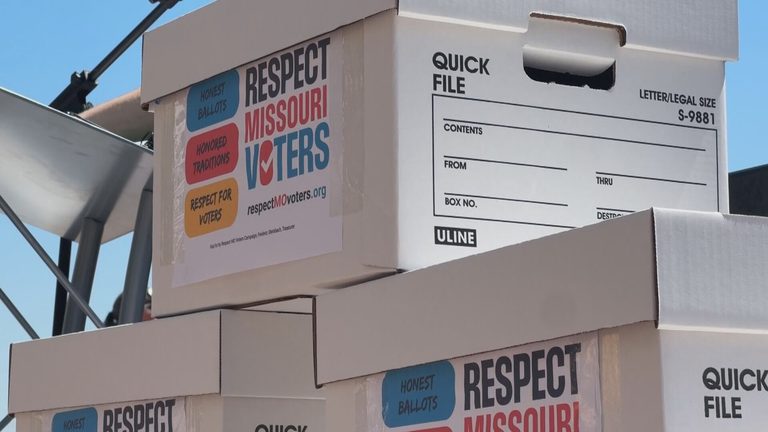
Springfield, Mo. – On Tuesday, Missourians demonstrated a clear preference for local control by approving Amendment 6, a constitutional amendment that raises the bar for lawmakers who wish to alter laws passed by the people. The measure now requires at least an 80% vote in the General Assembly and a subsequent voter referendum before any voter‑approved statute can be changed.
What Amendment 6 Changes
Of the 50 states, 26 allow citizen‑initiated ballot measures. According to Scott LaCombe, a political science professor at the University of Missouri who studies direct democracy, Missouri is now the only state with both an 80% legislative supermajority requirement and a mandatory voter referendum for statutory initiatives. “No state has both until now,” LaCombe said. “Missouri has the strongest requirement of 80% and sending it to the voters. So I would say, at least for statutory initiatives, Missouri is now having the most robust protections for direct democracy in the entire country.”
Background and Motivation
The amendment was driven by recent frustrations among voters who saw several popular measures weakened or repealed by the legislature. Notable examples include a paid‑sick‑leave law and a law expanding abortion access that were both rolled back after voter approval. “Voters, in some way, are going to be able to have their cake and eat it too,” LaCombe added, emphasizing the desire for lasting voter‑driven policy.
Support from Labor and Community Advocates
Lenny Jones, vice president and Missouri state director of SEIU Healthcare, praised the vote as a victory for working families. “After years of organizing, Missourians finally won guaranteed paid sick leave through the ballot initiative process in 2024,” Jones said. “Just months later, Jefferson City politicians reversed our voter‑approved, pro‑worker law in a direct attack on working families.”
Republican Response and Legal Outlook
Missouri Republicans who opposed the amendment framed its passage as a lesson in listening to the electorate. Attorney General Catherine Hanaway said, “This is an electorate that knows what they want, and instead of sort of talking at them, we better, as elected officials, be listening and listening hard.” Hanaway also pledged to defend the amendment in court, noting, “Well, I don’t know who might sue us, but it’s our job to defend the law, and that’s the law as passed by Missourians.”
Business Community Concerns
The Missouri Chamber of Commerce and Industry expressed reservations about the amendment’s impact on legislative flexibility. Chamber President and CEO Kara Corches warned, “We believe Amendment 6 undermines that stability by making Missouri’s policymaking process less flexible and creating greater uncertainty for businesses across our state. We know it will be much more difficult to address unintended consequences of voter‑approved measures through the legislative process, and we anticipate more legal disputes over legislation.”
What Comes Next
With Amendment 6 now part of the state constitution, any future effort to modify voter‑approved statutes will face a high legislative hurdle and a direct vote by Missourians. The Respect Missouri Voters campaign, which championed the amendment, was unavailable for comment at the time of publication.
Missouri’s new safeguard reflects a broader national conversation about the balance of power between elected representatives and the electorate. For Missourians, the vote signals a strong desire to keep the voice of the people at the forefront of state lawmaking.
Original reporting: KY3 Springfield (local) — read the source article.